Hack of the Day: Embrace Passkeys for Enhanced Online Security
The Times of India proudly presents Hack of the Day, a fresh weekday series delivering quick, practical solutions to everyday challenges. Each hack is crafted to save time, money, or stress by leveraging accessible tools and features, from government portals to common applications. In essence, it offers straightforward fixes for a more intelligent lifestyle.
The Weakness of Traditional Passwords
Passwords have consistently been the vulnerable point in online security—they are frequently forgotten, commonly reused across platforms, and highly susceptible to phishing schemes. A more intelligent solution is gaining traction: passkeys.
What Are Passkeys and How Do They Work?
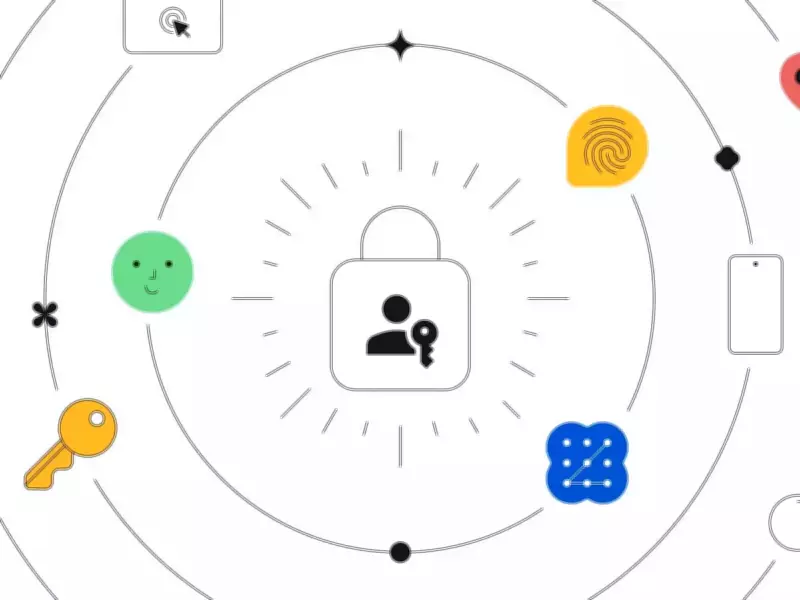
Instead of manually entering a password, users sign in using their device's unlock mechanism, such as a PIN, fingerprint scan, or facial recognition. This approach simplifies the login process while making it substantially more difficult for malicious actors to breach. Passkeys are securely stored and linked to personal devices, providing a smooth and safer method to access apps and websites.

Key Benefits of Using Passkeys
- Eliminates Password Memory Hassles: No need to recall multiple complex passwords.
- Reduces Phishing Threats: Replaces passwords with device-based authentication, minimizing exposure to scams.
- Offers Robust Protection: Your biometric data or PIN remains on the device, never transmitted externally.
How to Implement Passkeys with Google Password Manager
Utilize Google Password Manager to generate and store passkeys for compatible sites and apps. Follow these steps:
- Access a website or application that supports passkey sign-in.
- Choose the option to create or save a passkey.
- Approve it via your phone's lock screen or device authentication.
- Store the passkey securely in Google Password Manager.
- For future logins, use the passkey instead of typing a password.
Important Precautions
Exercise caution by avoiding passkey creation on shared devices. Since your device unlock serves as your sign-in key, it should only be configured on personal devices under your control to maintain security.
About the Author
TOI Tech Desk
The TOI Tech Desk is a committed team of journalists focused on delivering the latest and most pertinent technology news to readers of The Times of India. Their coverage spans a broad spectrum, including gadget launches, reviews, trends, in-depth analyses, exclusive reports, and breaking stories impacting the tech and digital realms. Whether it's how-to guides or updates on AI, cybersecurity, personal gadgets, or platforms like WhatsApp, Instagram, and Facebook, the TOI Tech Desk ensures accurate and authentic reporting.