Digital Arrest Scam Unravels Complex Money Trail
Investigators have uncovered the intricate money trail in a shocking digital arrest case. A 70-year-old woman from Greater Kailash-I lost Rs 7 crore to sophisticated cyber criminals. The probe reveals how the scammers systematically laundered the massive sum through thousands of accounts.
Three-State Shell Company Network
The fraudsters first transferred the stolen money to three primary bank accounts. These accounts were located in West Bengal, Chhattisgarh, and Delhi. Police discovered that all three accounts belonged to shell companies. Investigators strongly suspect criminals created these companies solely to route and conceal illegal funds.
The Chhattisgarh account received the largest amount – a staggering Rs 4 crore. From these shell company accounts, the money entered a complex laundering system. It initially flowed through approximately 2,000 mule accounts. This network later expanded to nearly 3,000 accounts.

An investigating officer explained the challenge. "Once the money entered the shell company accounts, it was rapidly distributed across thousands of mule accounts. This made our probe extremely lengthy and complex." Despite the difficulties, police managed to freeze Rs 2.85 crore of the stolen amount.
Nationwide Cash Withdrawals
Sources revealed another crucial finding. Investigators identified numerous cash withdrawals from locations across India. Frequent withdrawals occurred in Ludhiana, Punjab. Multiple districts in Rajasthan also showed heavy withdrawal activity – Jodhpur, Ajmer, and Sirohi.
Police believe the scammers chose these locations deliberately. They wanted to avoid detection patterns. The strategy allowed them to quickly convert digital transactions into untraceable cash. This made recovery efforts significantly more difficult for authorities.
The Digital Arrest Execution
The elaborate scam began on January 5th. The elderly woman, who lives alone, received a threatening phone call. The caller claimed a SIM card issued in her name was involved in fraudulent activities. Despite her pleas of innocence, the caller insisted either she or her children had broken the law.
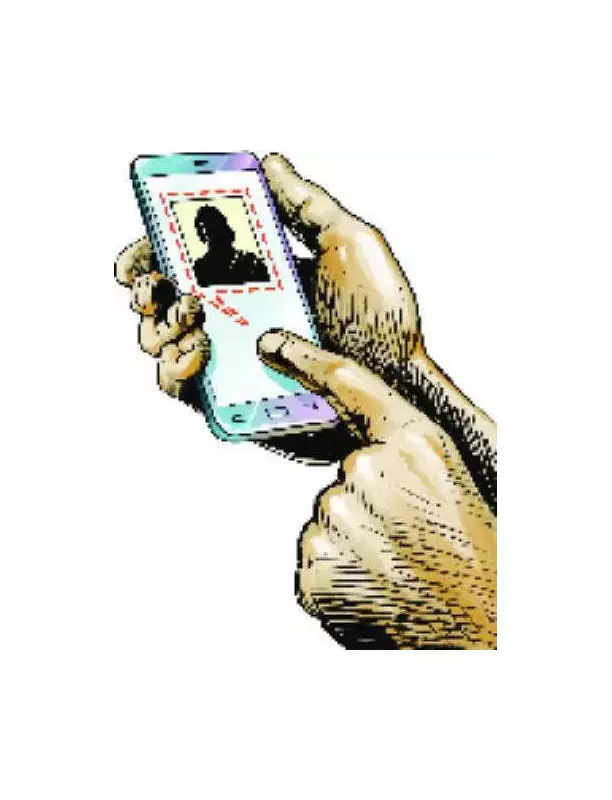
The conversation soon shifted to a video call. The scammers asked if other people were present in the house. She revealed her husband had passed away. Her children lived separately in Gurgaon and Australia. When the fraudsters learned a domestic helper visited daily, they gave strict instructions. The woman must shut the gate and tell nobody about the call.
Over several days, the criminals thoroughly examined her financial situation. They discovered she held approximately Rs 7 crore in fixed deposits. Then they escalated their deception. First, accomplices posed as Mumbai Police officers. They leveled false money laundering charges against her. Additional fraudsters joined the call, pretending to be Enforcement Directorate officials.
The scammers maintained constant surveillance through a second mobile phone. Under this digital arrest, the terrified woman followed their commands. She executed three major transactions – Rs 4 crore and Rs 1.3 crore on January 9th, followed by Rs 1.6 crore on January 12th. The sophisticated operation stripped her of her life savings through psychological manipulation and technological deception.