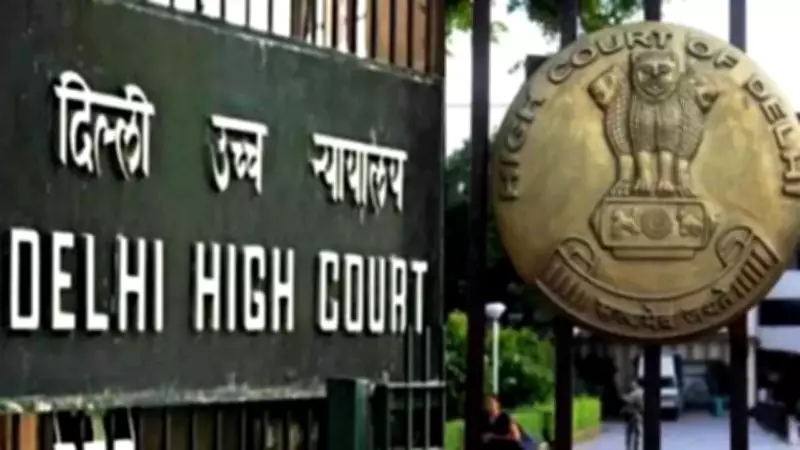
NEW DELHI: Virtual proceedings before the Chief Justice of the Delhi High Court were disrupted three times on Wednesday after a person logged in and played pornographic content. At one stage, a participant under the name 'Sh*tjeet Sighn' played an obscene video. Simultaneously, an audio in the background announced, 'Shut down the meeting right now. You've been hacked.'
Repeated interruptions force suspension
The repeated interruptions prompted the bench to immediately suspend the virtual proceedings, which were dealing with a clutch of public interest litigations, and break for lunch. The incident raises serious concerns about the security and resilience of the videoconferencing system used by the court. Hosted on the Cisco Webex platform, the virtual hearings allow lawyers, government officials, litigants, and media to enter their email IDs and log in to either watch or make arguments if they are party to a matter.
Security vulnerabilities exposed
While the final control to permit virtual entry to such proceedings remains with the court master of each court, no one is usually barred from viewing proceedings as long as a user is muted and does not create a disturbance. However, the option to share content remains disabled, which appears to have been breached on Wednesday. When the high court assembled after lunch, Chief Justice D K Upadhyaya shared his concerns about the circulation and dissemination of recordings of the incident. The meetings were also kept in locked mode even as the Chief Justice said that directions have been issued to the Registrar General on the administrative side of the matter. He underlined that recording of court proceedings is prohibited under high court rules, and if any unauthorised content is circulated, the authorities would detect it.

Police complaint filed
The court administration reported the incident to Delhi Police's Intelligence Fusion & Strategic Operations (IFSO) unit, which deals with cybercrime, for a thorough investigation into the online breach. In 2024, the Supreme Court had temporarily disabled its YouTube channel after it was allegedly hacked and used to broadcast videos promoting a cryptocurrency. In that case, the hackers renamed the channel and streamed the unauthorised videos before corrective action was taken.
Broader context of digital hearings
The country's higher judiciary has significantly expanded its digital and virtual hearing systems in recent years under the e-Courts project. Live streaming and video conferencing have become central to judicial accessibility, particularly after the Covid-19 pandemic accelerated the adoption of virtual proceedings. This incident highlights the ongoing challenges in securing these platforms against malicious actors.