Cybercriminals Target Pune Residents Amid LPG Supply Concerns
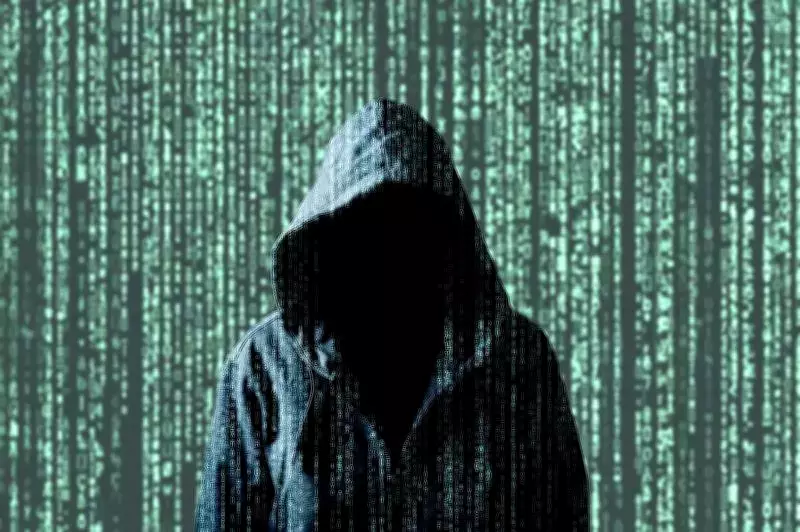
In a disturbing escalation of digital fraud, cybercriminals are now capitalizing on the ongoing LPG supply issues in Pune. Experts in cyber investigation have revealed that these online fraudsters are deploying sophisticated tactics, including fake booking websites, malicious links, and APK files, to exploit worried consumers urgently seeking gas cylinders.
Fraudulent Messages and Compromised Devices
City police are currently handling numerous complaints from citizens who have received deceptive messages. These communications falsely claim that LPG payments are pending, KYCs are incomplete, or Aadhaar linking is necessary to maintain gas supply. In one alarming incident, a woman clicked on a link from such a message, leading to her phone being compromised. Subsequently, multiple unauthorized payment requests were initiated from her bank account, and her WhatsApp account was hacked.
Rising Cases of LPG-Related Cyberfraud
A senior official from the Pune cybercrime cell, who requested anonymity, disclosed that several cyberfraud attempts linked to LPG payments have been reported in the city recently. "There have been seven cases in the last two weeks or so, where cyberfraud was attempted related to the LPG issue," the official stated. "In these instances, messages were sent asserting that gas bills must be paid immediately, with threats of disconnection if ignored, and links were provided for payment." Once users click on these links, their phones are often hacked, or payments are diverted to scamsters' accounts. The exact financial losses are still being compiled.

Lookalike Websites and Fake Bookings
Cybercrime investigation expert Sandip Gadiya highlighted two recent cases that exploited the potential LPG scarcity. "Fraudsters are creating lookalike websites of LPG companies and diverting users to them through search results, social media links, and fake advertisements," Gadiya explained. "They have established fake booking sites that promise immediate cylinder delivery within 24-48 hours. Although the payment gateways appear genuine, the funds are redirected to fraudsters." In one example, a man searching online for a gas cylinder was redirected to a counterfeit website mimicking an oil company. After entering customer details and making a UPI payment, the amount was deducted, but the booking proved to be fraudulent.
Malware via APK Files and SEO Manipulation
Another method involves Android Package Kit (APK) files distributed through WhatsApp or social media groups. Gadiya elaborated, "People receive files labeled as 'LPG booking' or 'gas cylinder app'. When clicked, spyware is installed on the phone, forwarding OTP messages to the fraudster, enabling access to WhatsApp and registration for UPI transactions." Additionally, fraudsters are using search engine optimization (SEO) to display fake contact numbers prominently in Google search results, posing as authorized LPG company representatives to collect payments.
Widespread Fraudulent Communications
Digital forensic investigator Shweta Chawla confirmed that many individuals have been receiving fraudulent messages related to LPG booking and payments, though not all have fallen victim. "Many people have been getting messages asking them to download an app to book cylinders or use a link to make payment," Chawla noted. "These messages are sent under the guise of Bharat Gas, IOCL, and other agencies." She added that some messages falsely inform recipients that a cylinder has been booked in their name and will be delivered, urging them to click a link or enter an OTP.
This surge in cyberfraud underscores the urgent need for public awareness and vigilance as criminals exploit current supply chain anxieties to perpetrate scams.