5 Everyday Online Scams That Are Trapping Indians: A Guide to Staying Safe
Online scams are on the rise in India, with fraudsters using clever tactics to trap unsuspecting users. These scams often target everyday activities, making it crucial for everyone to stay vigilant. Here, we break down five common scams and provide simple steps to protect yourself.
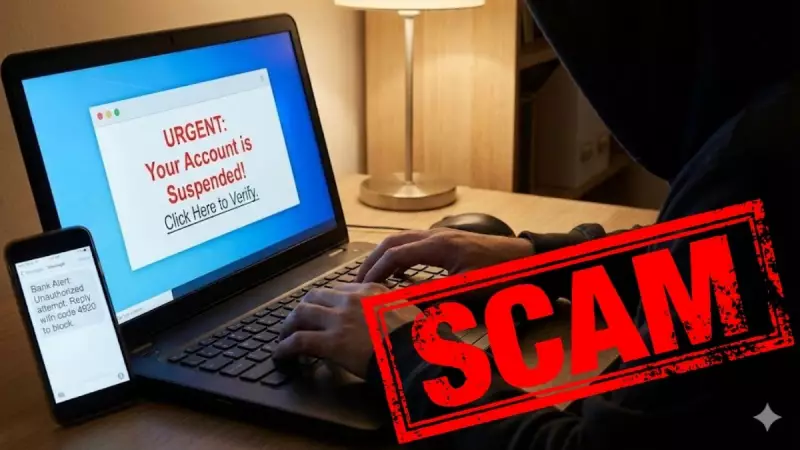
1. Phishing Emails and Messages
Scammers send fake emails or messages that appear to be from legitimate sources like banks or government agencies. They ask for personal details or passwords. Never share sensitive information through unsolicited messages. Always verify the sender's identity by contacting the organization directly using official contact details.
2. Fake Shopping Websites
Many Indians fall for fake e-commerce sites offering unbelievable discounts. These sites steal payment information or never deliver goods. Stick to well-known platforms and check for secure payment options. Look for customer reviews and avoid sites with poor ratings or no contact information.

3. Social Media Scams
Fraudsters create fake profiles or pages to lure users with giveaways or investment schemes. They often ask for money upfront. Be skeptical of too-good-to-be-true offers on social media. Verify the authenticity of accounts and never send money to strangers.
4. Tech Support Scams
Scammers call or pop up messages claiming your device has a virus, offering to fix it for a fee. They may install malware or steal data. Ignore unsolicited tech support calls. Use trusted antivirus software and only seek help from authorized service centers.
5. Investment and Loan Frauds
Fake schemes promise high returns or easy loans with low interest rates. They ask for processing fees or personal documents. Avoid quick-rich schemes. Consult registered financial advisors and use official banking channels for loans.
How to Stay Safe Online: Practical Tips
Protecting yourself from online scams requires awareness and proactive measures. Follow these simple guidelines to reduce your risk.
- Use Strong Passwords: Create unique passwords for different accounts and change them regularly.
- Enable Two-Factor Authentication: Add an extra layer of security to your online accounts.
- Update Software: Keep your devices and apps updated to patch security vulnerabilities.
- Be Cautious with Links: Avoid clicking on suspicious links in emails or messages.
- Report Scams: If you encounter fraud, report it to cybercrime authorities immediately.
By staying informed and cautious, you can navigate the digital world safely and avoid falling victim to these common scams.