

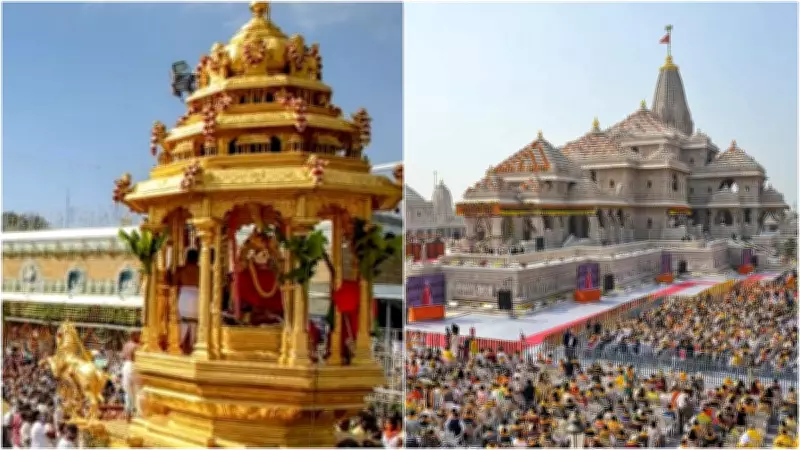
The 'Tirumala model' has emerged as a proposed solution to the ongoing Ram Temple donation controversy. This model is based on the functioning of the Tirumala Tirupati Devasthanams (TTD), which is not a private trust but a statutory body of the Andhra Pradesh government, directly accountable to the state. The TTD manages the renowned Tirumala Venkateswara Temple and operates under a legal framework that ensures transparency and public oversight.
What is the Tirumala Model?
The Tirumala model refers to the governance structure of the TTD, which is established by an act of the Andhra Pradesh legislature. This statutory status means that the TTD is subject to government regulations, audits, and accountability mechanisms. Unlike private trusts, the TTD's finances and operations are open to scrutiny by the state government and the public. This model has been praised for its efficiency and transparency in managing huge donations and temple affairs.
Relevance to Ram Temple Donation Row
The Ram Temple in Ayodhya is being built by the Shri Ram Janmabhoomi Teerth Kshetra Trust, which is a private trust. Questions have been raised about the management of donations and the lack of public accountability. Proponents of the Tirumala model argue that adopting a similar statutory framework for the Ram Temple trust would address these concerns. It would ensure that donations are used transparently and that the trust is answerable to a government body.

Key Features of the TTD Model
- Statutory Status: The TTD is established by law, making it a government-controlled entity.
- Public Accountability: The TTD is required to publish annual reports and undergo audits.
- Transparency: Donations and expenditures are publicly disclosed.
- Government Oversight: The Andhra Pradesh government appoints board members and monitors operations.
Comparison with Current Ram Temple Trust
The Shri Ram Janmabhoomi Teerth Kshetra Trust is a private trust under the Indian Trusts Act. It has a board of trustees but is not directly accountable to any government. Critics argue that this lack of oversight could lead to mismanagement of funds. The Tirumala model would introduce checks and balances, similar to how the TTD operates.
Potential Implementation
To implement the Tirumala model for the Ram Temple, the central government would need to pass a law creating a statutory body for the temple's management. This would replace the current trust structure. The model has been discussed in political circles and among temple administration experts as a way to resolve the donation row.
Conclusion
The Tirumala model offers a proven framework for managing large temple donations with transparency and accountability. Its adoption for the Ram Temple could end the controversy and ensure that public contributions are used appropriately. However, it would require legislative action and political consensus.






