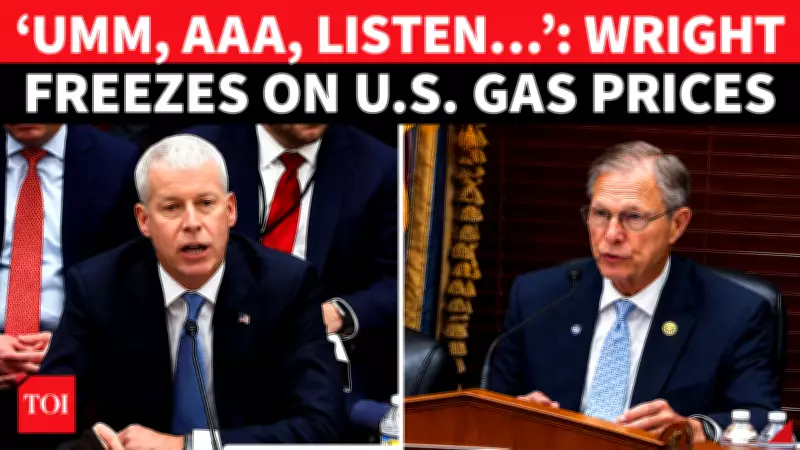
During a congressional hearing on the Department of Energy’s Fiscal Year 2027 Budget Request, Energy Secretary Chris Wright encountered sharp questioning from lawmakers regarding escalating U.S. gas prices and overall energy costs. Instead of providing direct answers, Wright repeatedly shifted the conversation toward Iran and military conflicts, deflecting from the immediate economic concerns facing American consumers.
Lawmakers Press on Affordability
Several legislators expressed frustration over the administration’s handling of energy policy, emphasizing the burden on households. They demanded clarity on strategies to boost domestic production and stabilize prices. Wright acknowledged the challenges but pivoted to geopolitical tensions, stating that “we must focus on Iran’s destabilizing actions” and their impact on global oil markets.
Criticism of Diversion Tactics
Observers noted that Wright’s responses appeared to avoid accountability for domestic energy strategies. The hearing highlighted a disconnect between lawmakers’ priorities—immediate relief at the pump—and the administration’s focus on foreign policy. Critics argue that such diversions undermine efforts to address energy independence and consumer protection.

Broader Context
The hearing comes amid record-high fuel prices and growing public discontent. The budget request includes significant funding for renewable energy and grid modernization, but skeptics question whether these measures will provide near-term relief. Wright’s remarks on Iran also align with the administration’s broader stance on Middle East security, which some lawmakers view as a distraction from domestic energy crises.
Reactions and Implications
Political analysts suggest that Wright’s performance may further erode public trust in the administration’s energy policies. The hearing underscores the complexity of balancing international security concerns with domestic economic needs. As gas prices continue to rise, pressure mounts on officials to deliver concrete solutions rather than geopolitical redirections.