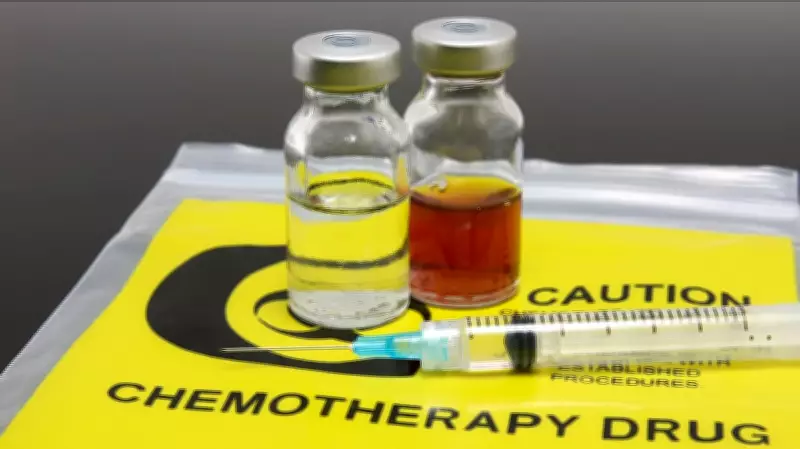
If one puts 10 patients with the same type of cancer on the same chemotherapy regimen, six would respond to it and four would not, for no externally obvious reason, said an oncologist. This phenomenon, known as chemotherapy resistance, is a major challenge in cancer treatment.
Understanding Chemotherapy Resistance
Chemotherapy works by targeting rapidly dividing cancer cells. However, tumors are not uniform. They contain a mix of cells with different genetic mutations. Some cells may be naturally resistant to the drugs, or they may acquire resistance over time through mutations.
Key Factors Behind Resistance
- Tumor heterogeneity: Different cells within a tumor have varying genetic profiles, making some inherently resistant.
- Drug efflux pumps: Cancer cells can pump chemotherapy drugs out before they take effect.
- DNA repair mechanisms: Resistant cells may repair damage caused by chemotherapy more efficiently.
- Microenvironment: Surrounding tissues can protect cancer cells from drug exposure.
Oncologists are exploring ways to overcome resistance, including combination therapies, targeted drugs, and immunotherapy. Personalized medicine, where treatment is tailored to the genetic profile of a patient's tumor, offers hope for better outcomes.

Understanding why some patients stop responding is crucial for developing more effective cancer treatments. Research continues to unravel the complex mechanisms behind drug resistance, aiming to improve survival rates for all patients.