

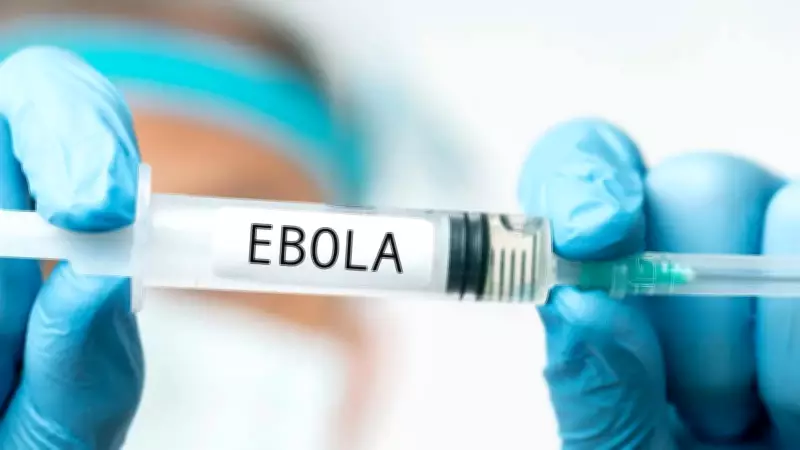
The World Health Organization (WHO) has declared a global health emergency due to a growing Ebola outbreak linked to the rare Bundibugyo strain in the Democratic Republic of the Congo (DRC) and Uganda. As of May 16, 2026, there were eight laboratory-confirmed Ebola cases, 246 suspected infections, and nearly 80 suspected deaths reported in parts of the DRC. Cases have also emerged in Uganda's capital Kampala and Kinshasa, raising concerns that the virus may have spread beyond remote areas before containment.
Why This Outbreak Is Different
Ebola is not new to the DRC, but this outbreak involves the Bundibugyo strain, a rare form that standard field tests often miss. Dr Diksha Goyal, Consultant - Internal Medicine at Marengo Asia Hospitals, explains, “The virus is a rare species called Ebola Bundibugyo, for which no vaccines or therapeutics exist.” Unlike previous outbreaks where vaccines helped control transmission, no approved vaccine currently exists for this strain. Health workers are particularly worried because several infections have occurred in healthcare settings, with four nurses among the confirmed deaths, suggesting infection control gaps.
Uncertainty and Scale
The WHO has warned that the outbreak could be “much larger than what is currently being detected and reported.” Dr Goyal adds, “The health ministry said there are already 246 suspected cases, including 80 deaths, in the remote province of Ituri, suggesting the virus spread widely before it was identified.” Ebola becomes harder to control when it silently spreads through communities before diagnosis.

How Ebola Spreads and Why Panic Is Unnecessary
Ebola is not airborne like COVID-19. Dr Namita Jaggi, Chairperson at Artemis Hospitals, states, “Ebola spreads through direct contact with blood or body fluids of an infected person.” Transmission can occur via contaminated objects, infected animals, or burial rituals. Casual contact or sharing air does not spread the virus. Experts emphasize awareness, not panic. Dr Jaggi notes, “Global preparedness is much better now: faster testing, contact tracing, isolation units, and rapid response teams.”
Risk to India
For now, the risk to India remains low. Dr Jaggi explains, “Unless there is significant international travel from affected zones or an infected traveler arrives before symptoms appear, the risk is very low.” India has surveillance systems at airports and hospitals. WHO advises against border closures or trade restrictions, focusing instead on preparedness: rapid detection, infection control, and contact tracing.
Global Implications
This outbreak underscores that infectious diseases remain a global challenge. Dr Goyal notes, “The risk of natural outbreaks and further emergence of Ebola is a serious concern.” The swift global response reflects lessons learned from past epidemics.






