Google CEO Champions AI-Powered Coding Revolution
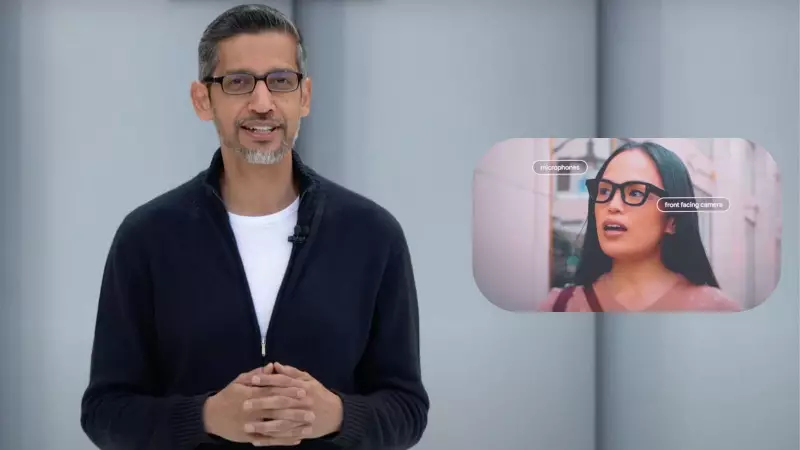
In a groundbreaking revelation that signals a major shift in software development, Google CEO Sundar Pichai has enthusiastically endorsed "vibe coding" as a transformative approach that's making programming more accessible and enjoyable than ever before. The Indian-born executive shared his insights during a recent Google for Developers podcast interview, highlighting how artificial intelligence is democratizing coding skills across industries.
What Exactly is Vibe Coding?
The term vibe coding, originally coined by OpenAI cofounder Andrej Karpathy earlier this year, represents a paradigm shift in how software gets created. Instead of writing complex code manually, developers and non-technical professionals can now describe their project goals in simple, natural language to AI-powered platforms like Windsurf, OpenAI Codex, or Cursor. The AI then translates these descriptions into functional code, effectively bridging the gap between idea and implementation.
"It's making coding so much more enjoyable," Pichai expressed during his conversation with Logan Kilpatrick, who leads Google's AI Studio. "Things are getting more approachable, it's getting exciting again, and the amazing thing is, it's only going to get better."

The Rising Impact on Tech Industry
The implications of vibe coding are already being felt across the technology sector. Pichai disclosed that more than 25 percent of new code at Google is now written by artificial intelligence. This statistic aligns with similar revelations from other tech giants, including Microsoft CEO Satya Nadella's announcement that approximately 30 percent of Microsoft's code originates from AI systems.
This trend represents a significant acceleration in software development timelines, allowing companies to ship updates and new features at unprecedented speeds. Tech organizations are actively encouraging their employees to embrace vibe coding methodologies, recognizing the competitive advantage offered by AI-assisted development.
The movement gained substantial momentum following OpenAI's debut of ChatGPT in late 2022, which introduced millions to the possibilities of AI-assisted task completion. From generating sales pitches and correcting grammar to writing complex software, AI has become an indispensable tool for professionals across various domains.
Democratizing Technology Creation
Perhaps the most revolutionary aspect of vibe coding is its ability to empower individuals without formal technical backgrounds. Non-technical workers can now pick up coding with no prior experience and build real projects during their free time. This development effectively opens the door for creative professionals from diverse fields to participate in technology creation without needing computer science degrees.
Pichai emphasized how vibe coding enables workers to visualize ideas directly, even if they lack proficiency in traditional coding languages. "In the past, you would have described it," he noted. "Now, maybe you're kind of vibe coding it a little bit and showing it to people."
Balancing Innovation with Caution
Despite his enthusiasm, the Google CEO also highlighted important considerations for the widespread adoption of AI-generated code. Pichai cautioned that significant security and reliability concerns exist, particularly for large codebases where precision is critical.
"I am not working on large codebases where you really have to get it right, the security has to be there," he acknowledged. "Those people should weigh in." This statement underscores the continued importance of human oversight in software development, even as AI capabilities advance.
Looking toward the future, Pichai expressed optimism about the evolving capabilities of AI reasoning models. "It's both amazing to see, and it's the worst it will ever be," he remarked, suggesting that current AI capabilities represent just the beginning of what's possible. "I can't wait to see what other people in the world come up with it."

The Competitive Landscape Heats Up
As vibe coding gains traction, major tech companies are investing heavily in developing superior AI coding assistants. Google recently announced its latest AI model, Gemini 3, which the company describes as "our best vibe coding model ever" with enhanced capabilities for creating visually appealing applications.
The trend has also inspired innovation within India's tech ecosystem, with Bengaluru startups promising enterprise app development in minutes using similar AI-powered approaches. This development positions Indian technology firms at the forefront of the vibe coding revolution.
While the long-term impact of vibe coding on software development workflows remains to be seen, the endorsement from industry leaders like Sundar Pichai signals that AI-assisted coding is not just a passing trend but a fundamental shift in how technology gets created and who gets to create it.