

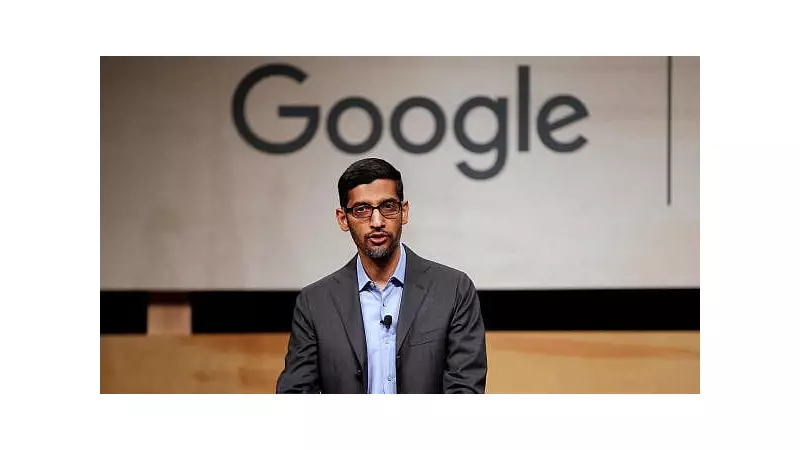
Google CEO Sundar Pichai has issued a crucial warning about artificial intelligence, urging users to maintain a healthy skepticism toward AI-generated content. The technology leader emphasized that while AI tools offer significant benefits, they should not be trusted blindly.
The Reality Check on AI Capabilities
During his recent address, Pichai provided clear guidance on how people should approach AI technology. He specifically highlighted that AI tools can be extremely helpful for creative writing tasks and similar endeavors where imagination plays a key role. However, he stressed the importance of understanding both the strengths and limitations of these advanced systems.
The Google chief executive made these comments on November 18, 2025, bringing attention to a growing concern in the technology industry. As AI becomes increasingly integrated into daily life and work processes, Pichai's warning serves as a timely reminder about maintaining human oversight.

Balancing AI Assistance with Critical Thinking
Pichai explained that users need to develop a more nuanced approach to working with artificial intelligence. People have to learn to use these tools for what they're good at, and not blindly trust everything they say, he emphasized. This perspective acknowledges AI's transformative potential while recognizing its current limitations.
The Google CEO's comments reflect a broader industry conversation about responsible AI development and deployment. Rather than dismissing AI capabilities, Pichai advocates for a more intelligent integration where humans maintain ultimate decision-making authority.
Practical Implications for AI Users
For everyday users and professionals alike, Pichai's advice translates into several practical considerations:
- Verify important information from AI tools through reliable sources
- Use AI for brainstorming and creative tasks rather than factual accuracy
- Maintain human judgment in final decision-making processes
- Understand that AI systems can sometimes generate plausible but incorrect information
This cautious approach comes from one of the most influential leaders in the technology sector, whose company has been at the forefront of AI development. Pichai's stance demonstrates that even AI pioneers recognize the need for balanced perspectives on artificial intelligence adoption.
As AI continues to evolve and become more sophisticated, Pichai's warning serves as an important benchmark for responsible usage. The message is clear: embrace AI's potential, but never surrender critical thinking and verification processes to machines.






