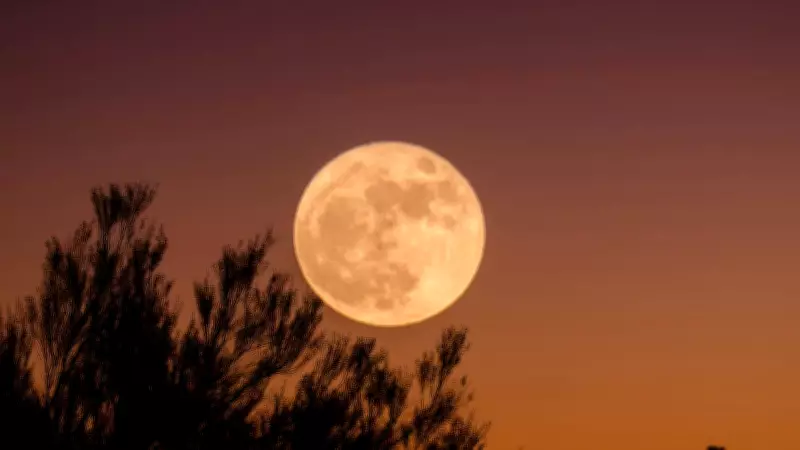
Snow Moon 2026: A Guide to Spotting February's Full Moon
The Snow Moon, a captivating celestial event, offers a stunning view of the wintry night sky and holds profound cultural importance across various traditions. This full moon in February is set to grace the heavens on February 1, 2026, providing an excellent opportunity for skywatchers to witness one of winter's most iconic sights.
When to Observe the Snow Moon
The Snow Moon will reach its peak illumination at 5:09 PM Eastern Standard Time (EST) on February 1, 2026. However, it will appear full to the naked eye both on the night before, January 31, and the night after, February 2, allowing for multiple viewing opportunities. This timing makes it accessible to observers in different time zones, ensuring that many can enjoy the spectacle without strict constraints.
How to Spot the Snow Moon
For the best viewing experience, venture outside on February 1 and look towards the eastern horizon as the Moon rises. As it ascends, you may notice it appears larger than usual due to the moon illusion, a visual phenomenon where low-hanging objects near landmarks like buildings, trees, or hills seem magnified. This effect enhances the Moon's dramatic presence in the sky, making it a breathtaking sight even without optical aids.

This full moon will be positioned near the constellation Cancer, the Crab, though its brightness may outshine the surrounding stars. If you linger outside, you might also spot Jupiter shining brightly in the evening sky, along with familiar winter constellations such as Orion and Gemini, adding to the celestial display.
Cultural Significance of the Snow Moon
The name Snow Moon originates from long-standing traditions in North America and Europe, where February was historically the snowiest month of the year. Heavy snowfall during this period often made travel and hunting challenging, leading some communities to refer to it as the Hungry Moon. Other names include the Storm Moon, reflecting the rough weather typical of late winter, highlighting how this lunar event is intertwined with seasonal cycles and human experiences.
Tips for Enhanced Observation
While the bright moonlight can wash out faint celestial objects, February's full moon presents a perfect chance to explore lunar features with binoculars or a small telescope. The Moon's surface, fully illuminated by the Sun, reveals craters, maria, and other geological formations that tell the story of its ancient past. For optimal viewing, find a dark location away from city lights, and allow your eyes to adjust to the darkness for a clearer, more detailed observation.
In summary, the Snow Moon of 2026 is not just an astronomical event but a cultural touchstone that connects us to nature and history. Mark your calendars for February 1 and take a moment to gaze skyward, embracing the beauty and significance of this winter full moon.