If you have been dealing with chronic stomach issues, constant bloating, pain, difficulty swallowing, and your doctors keep coming up empty, there is a chance you are dealing with something you have never heard of. It is called EGID, or Eosinophilic Gastrointestinal Disorder. For many people struggling with this condition, the answer is not medication or surgery. It is actually what you eat.
What Is Actually Happening Inside
EGIDs are chronic disorders driven by your immune system. Your body's immune cells, specifically eosinophils, build up in your digestive tract and cause inflammation. This all starts with food, but not in the obvious way you might think. Your stomach is not rejecting food because of a typical allergy. Instead, it is a more complex immune reaction that creates swelling and discomfort throughout your gastrointestinal system.
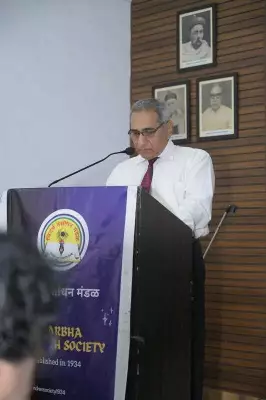
Dr. Sandeep Kulkarni, Consultant Gastroenterologist and Hepatologist at Sahyadri Super Specialty, explains: "Eosinophilic Gastrointestinal Disorders are chronic, immune system-driven disorders that can cause inflammation in the gastrointestinal system from specific foods. Food is a main element in the diagnosis and treatment of these conditions."

This is where most people get stuck. They go to their doctor, get tested for common allergies, and when the tests come back negative, they are left wondering what is actually wrong. With EGIDs, traditional allergy testing often misses the problem entirely because it does not work the same way a peanut allergy works.
How the Six-Food Elimination Diet Works
The six-food elimination diet is straightforward: you remove the six most common food triggers from your diet. These are milk, wheat, soy, eggs, nuts, and seafood. You commit to this for a set period, usually several weeks to months, depending on how severe your symptoms are. After your inflammation has calmed down, you systematically bring each food back in, one at a time, to see which ones actually trigger your symptoms.
According to research, this approach works for about 70% of patients. That is a significant number when you are desperate for relief. Dr. Kulkarni notes: "Under this type of diet, patients eliminate from their diet the six most common food allergy triggers (milk, wheat, soy, eggs, nuts and seafood) for a set period of time to identify food triggers. After a defined amount of time, patients can systematically reintroduce these foods back into their diet to see if they cause symptoms and/or endoscopic findings."
The improvement people experience can be dramatic. Many patients report that symptoms decrease significantly, inflammation goes down, and they finally get their quality of life back. However, it only works if you actually follow the protocol.
Why You Cannot Do It Alone
Here is where a lot of people mess up. They see the list of foods to eliminate and think they can just do it themselves. But this is not like going on a regular diet. You are removing entire food groups, which means you need to be strategic about nutrition.
"It is essential to plan carefully, and to do so under the supervision of both a gastroenterologist and a clinical nutritionist, so that no nutritional deficiencies occur and that patients follow the protocol," Dr. Kulkarni emphasizes. "In clinical practice, elimination diets are normally tailored to each patient based on their history, allergy test results, and level of disease."
That last part is crucial. Not every EGID patient needs the exact same diet. Your specific triggers might be different from someone else's. What works for your neighbor might make you worse. That is why you need a professional team helping you figure out what actually applies to your situation.
When Diet Alone Is Not Enough
The six-food elimination diet works for most people, but not everyone. Some patients need additional support from medications like topical steroids. Dr. Kulkarni is clear about this: "Diet can help control EGID for most patients, but there are some instances when other medications like topical steroids may be necessary. Overall, the greatest outcomes will be achieved with a combination of approaches and the development of individualized treatment plans for each patient."

The takeaway is this: if you suspect you have EGID, do not try to self-diagnose or self-treat. Get proper testing, work with a gastroenterologist who understands these disorders, and have a nutritionist in your corner. It is not quick or glamorous, but for most people, it actually works.
This article includes expert inputs shared with TOI Health by Dr. Sandeep Kulkarni, Consultant Gastroenterologist and Hepatologist at Sahyadri Super Specialty. Inputs were used to explain what the six-food elimination diet is and how it can manage Eosinophilic Gastrointestinal Disorder.