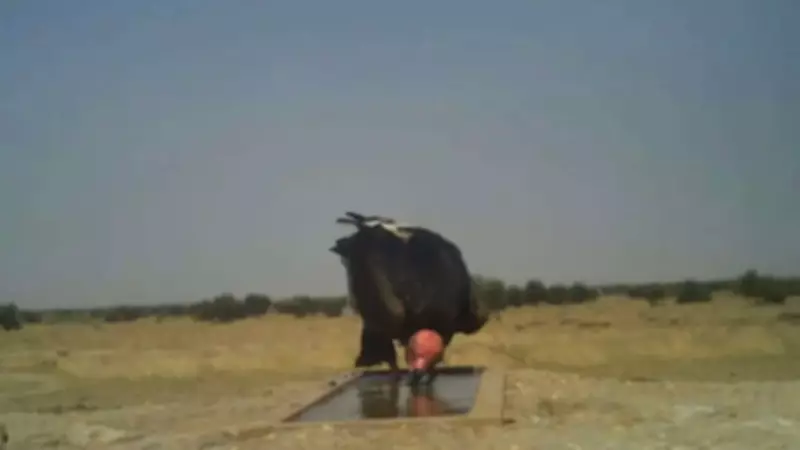
The Forest Department in Rajasthan is set to conduct a large-scale wildlife census using the waterhole method across various forest areas, including the Desert National Park and other wildlife regions, on May 1 (Vaishakh Purnima). This census will cover several rare species, such as the Great Indian Bustard.
Revised Timing Due to Heat
Owing to the intense heat currently prevailing in Rajasthan, the timing of the census has been revised this year. It will now be conducted from 5:00 PM on May 1 to 5:00 PM on May 2, instead of the earlier schedule of 8:00 AM May 1 to 8:00 AM May 2. The Forest Department took this major decision considering the continuously rising temperatures.
Preparations Underway
Preparations for the census are underway. The department has identified and listed more than 100 waterholes and water points where counting will be carried out. Forest personnel will monitor these points by sitting on elevated platforms known as machans.

Jaisalmer Division
Jaisalmer DFO Kumar Shubham stated that the wildlife population estimation through the waterhole method is scheduled on May 1 (Vaishakh Purnima). In his jurisdiction, around 28 water points and areas have been identified. Using GPS coordinates, forest staff will conduct the census from 5:00 PM on May 1 to 5:00 PM on May 2.
He added that in his jurisdiction, including the Desert National Park, wildlife will be counted by observing animals visiting selected water points from machans. Every year, this census is conducted on the full moon night of Vaishakh, as the bright moonlight improves visibility. Experts consider this method fairly accurate, especially during extreme summer, when animals are likely to visit water sources at least once a day. The counting is done when animals come to drink water at these points.
Desert National Park
DCF of Desert National Park, Brijmohan Gupta, informed that this year, the census will be conducted at more than 44 waterholes and 12 water points from 5:00 PM on May 1 to 5:00 PM on May 2.
Methodology
Under this method, fixed water points are prepared, and two personnel are stationed at each machan to record wildlife activity for 24 hours. In the DNP area, carnivores such as jackals, desert foxes, wild cats, and others; herbivores like nilgai, chinkara, wild boar, and porcupine; and birds including the Great Indian Bustard, vultures, birds of prey, peacocks, and sandgrouse are counted. Any other species observed are also recorded.
Arrangements and Technology
Officials have ensured proper inspection of all water points, availability of water, completion of machan construction, and installation of camera traps. Each machan will have one forest personnel and one volunteer. The census will be conducted using both the waterhole method and camera trap technology, with special arrangements made to ensure accuracy despite extreme heat conditions.