

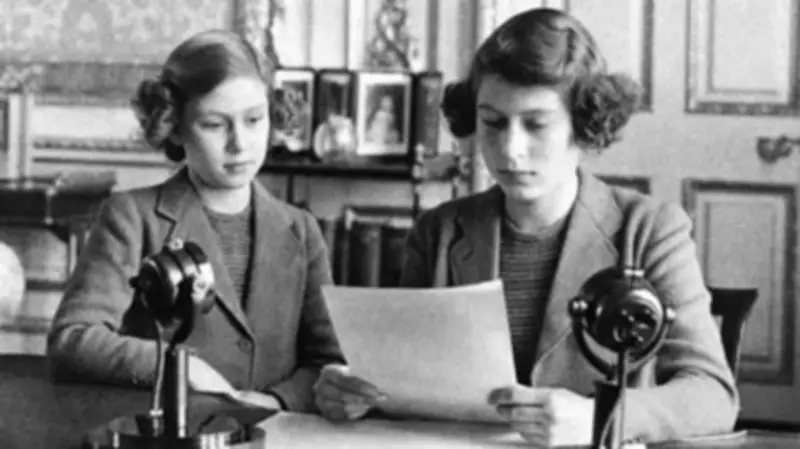
In October 1940, within a secure room at Windsor Castle, the fourteen-year-old Princess Elizabeth spoke into a BBC microphone, addressing children who had been evacuated from their homes due to the war. This significant broadcast highlighted a rare moment when the royal family directly connected with displaced citizens. Unlike typical wartime broadcasts featuring politicians or military leaders, this afternoon program on the BBC was specially arranged for children sent away for safety.
A Unique Morale-Boosting Initiative
The public reaction to this broadcast demonstrated a pragmatic approach to boosting morale during a national emergency. As part of the popular Children's Hour radio show, the young princess spoke to her peers without delivering a political speech. Instead of lengthy lectures on government policies, she focused on collective patience, resilience, and understanding. By using an accessible medium, the royal family forged a bond with families across the country.
Addressing Displacement Amid Global War
The significance of this broadcast becomes clear when considering the massive displacement across the British Isles. According to the Royal Family's official website, this was Princess Elizabeth's first live radio address. The script was deliberately written to reassure young people adjusting to new lives on farms or in overseas households. As reported in The Guardian's archive, many children were relocated not only to English rural areas but also to Canada, Australia, and New Zealand. The broadcast had to reach listeners emotionally and physically abroad.

By explicitly acknowledging these challenges, the young princess offered relief and continuity during tremendous upheaval. She spoke calmly about her personal experiences at Windsor, drawing connections between her daily life and that of her audience. The speech aimed to cultivate shared resilience, justifying sacrifices made by young people and including them in the national struggle.
The Sibling Connection That Brought People Closer
The historic speech remained emotional partly due to the presence of both sisters at the microphone. According to The Guardian, Princess Margaret's involvement in the final part of the speech added a family atmosphere to the public announcement. Her contribution transformed a formal address into a comforting conversation. The sibling interaction humanized the royal family when the public needed a relatable symbol of stability. They spoke to each other as any normal family would, while addressing the anxieties of the time, effectively conveying hope.
This wartime broadcast highlights how such responsibilities shaped the future monarch's leadership style. Speaking from a place of compassion and restraint during a difficult period, she later became known for connecting with her community. This broadcast stands as an excellent example of using early media effectively.






