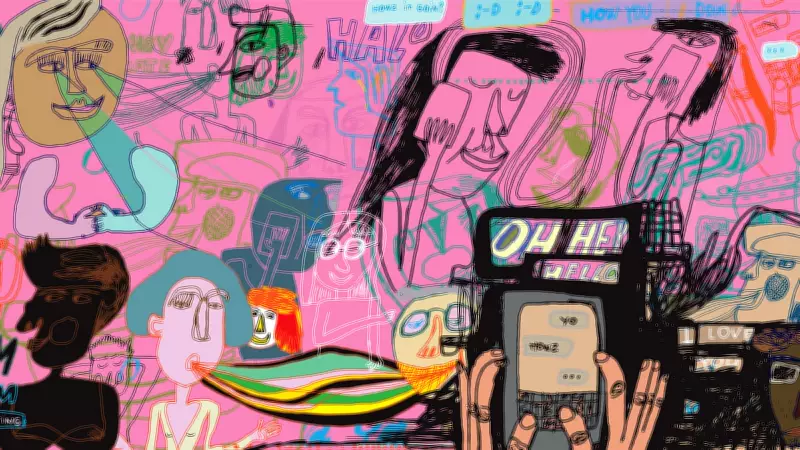
Our relationships today are paradoxical. We are highly connected yet emotionally isolated. We indulge in ghosting and phubbing, where complex human interactions are being replaced by curated digital personas. This contributes to a decline in emotional safety and the erosion of social muscles. What then happens to real bonds amid the pursuit of such digital validation, wonders Smitha Murthy.
The Paradox of Connection
In an era where smartphones and social media platforms keep us constantly linked, a troubling trend has emerged: we are more connected than ever, yet we feel increasingly alone. The irony is stark. We have thousands of online friends but struggle to maintain a handful of meaningful offline relationships. This paradox is at the heart of modern social dynamics, raising critical questions about the quality of our interactions.
Ghosting and Phubbing
Two behaviors have become emblematic of this digital disconnect: ghosting and phubbing. Ghosting, the act of abruptly cutting off communication without explanation, has become commonplace in dating and friendships. Phubbing, or phone snubbing, involves ignoring a companion in favor of one's phone. Both practices prioritize digital engagement over real-world presence, undermining trust and emotional intimacy.

Curated Digital Personas
Social media encourages us to present idealized versions of ourselves. We carefully select photos, craft witty captions, and highlight achievements while hiding struggles. These curated personas create a facade that distances us from authentic connection. When everyone projects perfection, vulnerability becomes rare, and emotional safety declines. The result is a society where people feel pressure to perform rather than to be genuine.
Erosion of Social Muscles
Just as physical muscles atrophy without use, our social skills weaken when we rely on screens for interaction. Reading body language, maintaining eye contact, and navigating awkward silences are skills that require practice. As digital communication replaces face-to-face encounters, we lose the ability to handle nuanced social situations. This erosion affects not only personal relationships but also professional collaborations and community bonds.
The Pursuit of Digital Validation
The quest for likes, shares, and comments has become a primary driver of online behavior. This external validation can be addictive, yet it often leaves us empty. Studies show that the dopamine hit from a notification is fleeting, while the absence of real connection can lead to loneliness and depression. The pursuit of digital approval can paradoxically push us further from the genuine bonds that provide lasting fulfillment.
Rebuilding Real Bonds
To counter these trends, experts suggest intentional practices: setting aside phone-free time, prioritizing deep conversations over small talk, and embracing vulnerability. Rebuilding social muscles requires effort, but the rewards are profound. Real bonds offer emotional support, resilience, and a sense of belonging that no digital platform can replicate. As Smitha Murthy questions, we must ask ourselves: what are we truly gaining from our plugged-in lives, and what are we losing?