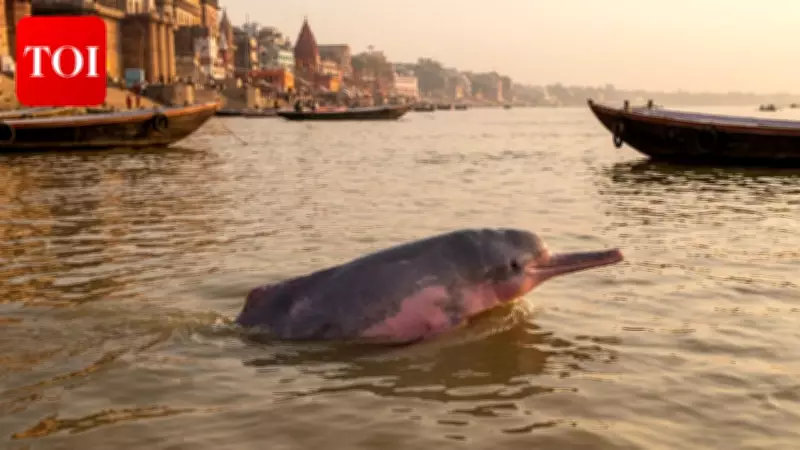
Pink Dolphins in India: Myth vs Reality
River dolphins in India have captured the imagination of nature enthusiasts, especially the so-called "pink dolphins." However, there are no naturally bright pink freshwater dolphins in the Indian subcontinent. The Amazon river dolphins of South America are known for their pink hue, but in India, the Gangetic river dolphins (Platanista gangetica) can sometimes appear pinkish-grey due to skin pigmentation, blood vessels, or sunlight reflection. These dolphins are primarily found in the Ganges-Brahmaputra-Meghna river system, spanning states like Assam, Uttar Pradesh, Bihar, and West Bengal.
Best Places to Spot Pink Dolphins in India
Brahmaputra River in Assam
The Brahmaputra River in Assam is renowned for dolphin sightings, especially near Guwahati and Pobitora Wildlife Sanctuary. Calm mornings offer the best chances when dolphins surface near boats.
Vikramshila Gangetic Dolphin Sanctuary
Located in Bihar along a 60-kilometer stretch of the Ganga River, this sanctuary is a protected area for dolphins. Winter is recommended for visits due to better visibility.

Ganga River in Uttar Pradesh
Dolphins are common around Narora and Bijnor. Recent surveys under Project Dolphin indicate healthy populations in tributaries.
Why Are Gangetic Dolphins Important?
As India's national aquatic animal, the Gangetic dolphin ("susu") is an indicator of river health. Their presence signifies good water quality and biodiversity. The World Wildlife Fund (WWF) lists them as endangered, with populations only in freshwater bodies of India, Nepal, and Bangladesh.
Are India's Dolphins Actually Pink?
Unlike Amazon river dolphins, India's dolphins are not naturally bright pink. Pinkish hues may appear due to blood vessel dilation, aging, water properties, or sunlight. According to the Whale and Dolphin Conservation, pink coloring correlates with maturation and increased blood flow. Some dolphins develop pink-gray mottled skin as they age. Male dolphins may become brighter during social activity or in warmer waters. Conservationists have debunked viral photos of bubblegum-pink dolphins; Indian river dolphins are typically gray-brown with occasional pink tinges.
Conservation Efforts and Challenges
Under Project Dolphin, the Wildlife Institute of India conducted a census from 2021 to 2023, recording over 6,300 Gangetic dolphin sightings. Dr. Ravindra Kumar Sinha, known as "The Dolphin Man of India," highlights threats like habitat fragmentation, pollution, gill nets, and reduced river discharge. River conservation is crucial for this species' survival. Eco-tourism in their habitats is growing, and responsible river tourism, pollution control, and conservation can ensure future generations see these freshwater dolphins.