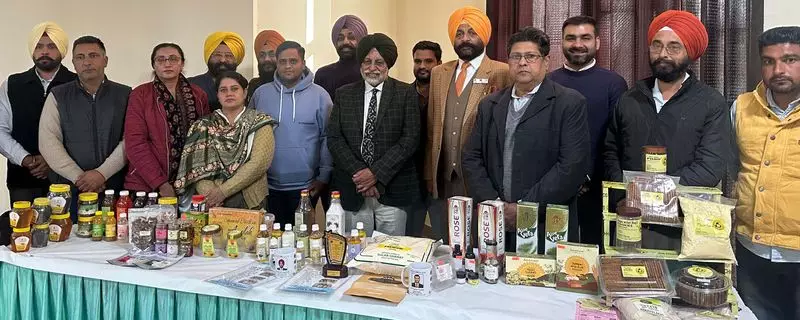
Punjab Agricultural University (PAU) in Ludhiana recently became the epicenter of a crucial global dialogue on the future of farming. The university successfully hosted an international symposium focused on the transformative roles of Artificial Intelligence (AI) and cybersecurity in agribusiness. The event brought together a diverse group of experts, researchers, and industry leaders to chart a course for a more secure and technologically advanced agricultural sector.
Convening Global Minds for Agricultural Innovation
The symposium, a significant academic and professional gathering, was organized by PAU's College of Agricultural Engineering and Technology (COAE&T). It served as a platform for in-depth discussions on how emerging digital technologies can solve pressing challenges in the food and farming systems. The presence of international and national experts underscored the universal importance of integrating smart technologies into agriculture to enhance productivity, sustainability, and resilience.
Dr. Satbir Singh Gosal, the Vice-Chancellor of PAU, inaugurated the event. In his opening address, he emphasized the critical juncture at which global agriculture stands. Dr. Gosal highlighted the dual potential of AI as a powerful tool for progress and a domain requiring robust security measures. He pointed out that while AI can revolutionize crop monitoring, predictive analytics, and supply chain management, the increasing digitization also exposes the sector to new cyber threats that could disrupt food security.

Core Themes: From Smart Farms to Secure Systems
The symposium's agenda was packed with sessions delving into specific applications and concerns. A primary focus was the practical use of AI, machine learning, and the Internet of Things (IoT) in creating "smart farms." Experts presented on how these technologies enable precision agriculture, allowing for optimized use of water, fertilizers, and pesticides based on real-time data from sensors and drones. This not only boosts efficiency but also promotes environmental conservation.
Equally emphasized was the theme of cybersecurity in the agri-food sector. As farms and agribusinesses become more connected, they become vulnerable to data breaches, ransomware attacks, and sabotage of automated systems. The discussions revolved around building secure digital infrastructures, protecting sensitive farmer data, and ensuring the integrity of automated agricultural machinery. The consensus was that cybersecurity is not an optional add-on but a fundamental component of modern agricultural planning.
Another key area explored was the future of agribusiness and food processing in the context of the Fourth Industrial Revolution. Talks addressed how blockchain can ensure traceability, how AI can streamline logistics, and how data analytics can help predict market trends, thereby empowering farmers and businesses alike.
Driving India's Agri-Tech Agenda Forward
The symposium at PAU is seen as a concrete step towards aligning Indian agriculture with global technological trends. By fostering collaboration between academia, industry, and policymakers, the event aimed to bridge the gap between research and on-ground implementation. The insights generated are expected to influence curriculum development at PAU and other agricultural institutions, ensuring that the next generation of agriculturists is adept at using and securing digital tools.
The gathering concluded with a strong resolve to continue such interdisciplinary exchanges. The participants agreed that harnessing AI while fortifying cyber defenses is essential for building a resilient, productive, and sustainable agricultural ecosystem capable of feeding the future. PAU's initiative in hosting this symposium positions Ludhiana and Punjab as forward-thinking contributors to India's agri-tech revolution.