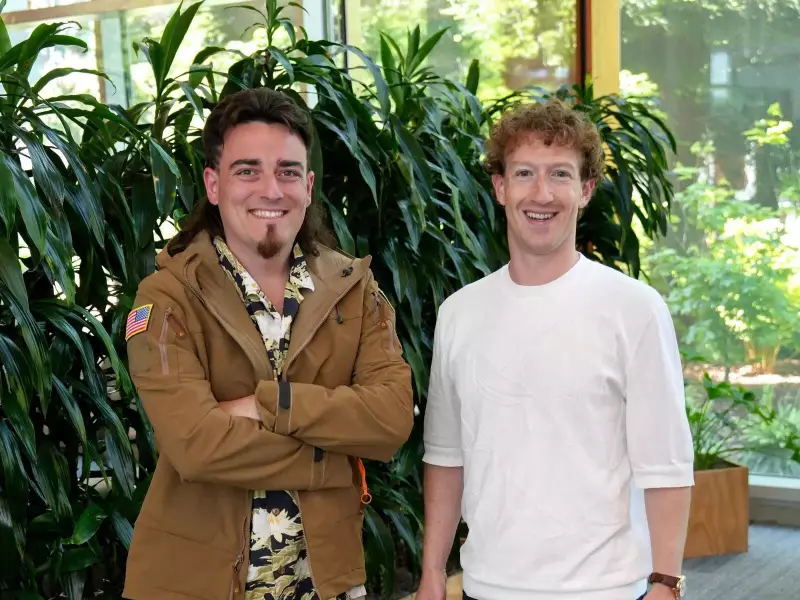
Palmer Luckey, the founder of Oculus who Mark Zuckerberg fired after buying his company for $2 billion, has spoken out about Meta's latest job cuts. He expressed sympathy for affected employees but argued these layoffs could actually strengthen the virtual reality industry.
Not a Disaster for VR
In a detailed post on social media platform X, Luckey pushed back against claims that Meta is abandoning virtual reality. The company recently eliminated 1,500 positions at Reality Labs, representing about 10% of that division's workforce.
"This is not a disaster," Luckey wrote. "They still employ the largest team working on VR by about an order of magnitude. Nobody else is even close."

Understanding the Numbers
Luckey explained that these layoffs essentially represent six months of normal employee turnover compressed into just two months. He emphasized that Meta remains the dominant force in virtual reality development despite the reductions.
Most importantly, Luckey noted that the majority of eliminated positions focused on first-party content development. These were Meta's internally produced games that competed directly with third-party studios.
Distorted Ecosystem
Luckey believes Meta's heavy subsidization of in-house titles created problems for the broader VR ecosystem. The company poured substantial budgets, marketing resources, and preferential placement into its own games.
"Every developer big and small, even the hyper-efficient ones, have had an extremely hard time competing with games developed by Meta-owned teams," Luckey explained.
He argued this approach distorted the market and made it difficult for independent developers to thrive. Even when Meta's games received excellent reviews from critics and customers, this actually worsened the competitive imbalance.
Personal Experience at Oculus
Luckey shared that he held similar views during his time at Oculus. He referenced the Rock Band VR experience, where Oculus spent eight figures to prepare the game for Rift CV1 launch, even bundling guitar adapters with every headset.
The game ultimately sold only about 700 copies. "Sometimes you learn what the world actually wants from you the hard way," Luckey reflected.
Long-Term Industry Health
While acknowledging that job losses are painful for those affected, Luckey maintains this restructuring benefits the virtual reality industry overall. He believes redirecting resources away from heavily subsidized internal projects will create a healthier competitive environment.
"In a world of limited resources, Meta heavily subsidizing their own [games] at the expense of core technical progress and platform stability doesn't make sense," Luckey wrote.
He concluded that these changes, though difficult, will improve long-term incentives throughout the VR development ecosystem.