The year 2025 has marked a period of significant transformation for OpenAI, the creator of ChatGPT, but not necessarily the kind it hoped for. The artificial intelligence pioneer is grappling with a substantial 'brain drain' of its top-tier talent, with a majority of exits heading towards a single rival: Mark Zuckerberg's Meta.
The Scale of the Exodus: From Founders to C-Suite
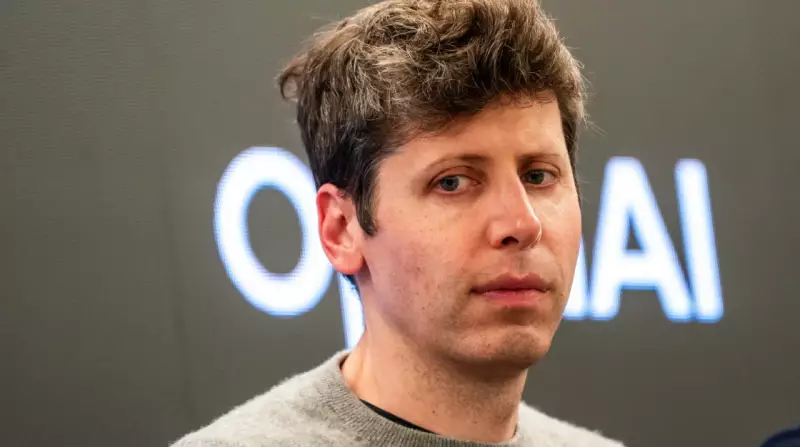
This talent crisis has seen the departure of more than a dozen crucial researchers and executives from OpenAI. The lure, in many cases, has been lucrative compensation packages from Meta, including millions in pay and signing bonuses. This shift has left the company's original founding group particularly sparse. Of the initial 11-person team, only two remain: CEO Sam Altman and President Greg Brockman.
The leadership and governance structure also faced high-profile vacancies. Larry Summers, the former Treasury Secretary, resigned from the OpenAI board in November 2025 following a House panel report concerning his past communications. In the executive suite, Chief People Officer Julia Villagra left in August, just five months after her promotion, and Chief Communications Officer Hannah Wong departed near the end of 2024.

Meta's Major Coup: The Superintelligence Lab Haul
The most significant blow to OpenAI's research capabilities landed in the summer of 2025. Meta successfully poached seven core researchers in a coordinated move to bolster its own ambitious, billion-dollar "Superintelligence Lab." This raid targeted some of the most pivotal minds behind OpenAI's flagship models.
The list of defectors reads like a who's who of AI innovation:
- Shengjia Zhao: A co-creator of both ChatGPT and GPT-4, Zhao now holds the prestigious role of Chief Scientist at Meta's Superintelligence Lab, reporting directly to Mark Zuckerberg.
- Jason Wei & Zhiqing Sun: These key research scientists joined Meta in July to focus on deep research models.
- Jiahui Yu: Previously the lead of OpenAI's Perception team, Yu was instrumental in granting large language models the ability to process images and audio.
- Hongyu Ren & Shuchao Bi: As core contributors to the advanced GPT-4o model, their move to Meta aims to accelerate the development of next-generation AI agents.
Beyond Meta: Startups and Safety
While Meta was the primary beneficiary, the talent outflow extended elsewhere. Several other researchers chose different paths, indicating a diversification in the AI landscape post-OpenAI. Liam Fedus, the former Vice President of Research and Post-training, co-founded Periodic Labs in September 2025, a startup with the ambitious goal of creating an autonomous AI scientist. Meanwhile, Tom Cunningham, OpenAI's lead data scientist, transitioned to the non-profit sector, likely to focus on AI safety and ethical considerations.
This series of departures underscores the intense and costly AI talent war heating up among tech giants. For OpenAI, retaining its innovative edge while managing such a substantial loss of human capital will be one of its defining challenges as it navigates the competitive and rapidly expanding AI landscape of 2025 and beyond.