OpenAI Research Chief Max Schwarzer Departs for Rival AI Firm Anthropic
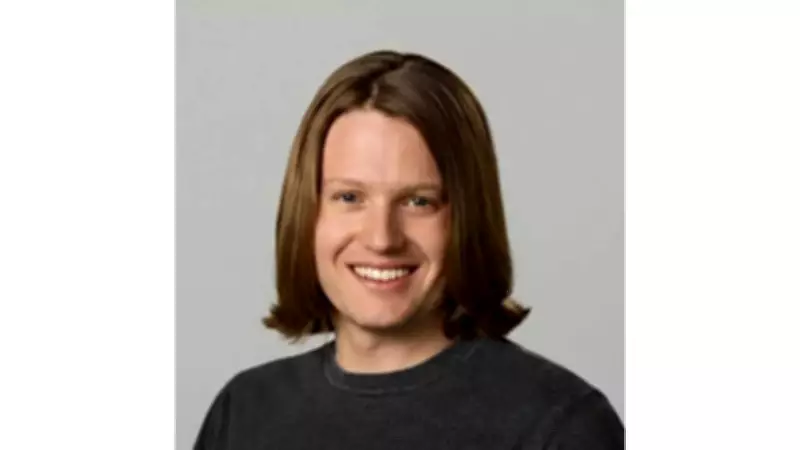
In a significant development within the artificial intelligence industry, Max Schwarzer, the Vice President of Research at OpenAI, has announced his departure from the company to join Anthropic, the creator of the Claude AI assistant. Schwarzer revealed his decision in a detailed post on the social media platform X, formerly known as Twitter, where he expressed admiration for the talent and values at Anthropic.
Key Contributions and Leadership at OpenAI
During his tenure at OpenAI, Max Schwarzer played a pivotal role in several high-profile projects. He was an early participant in the development of the o1 inference model and led the post-training efforts for both the o1 and o3 models. Notably, Schwarzer headed the post-training team that was responsible for delivering advanced AI systems, including GPT-5, GPT-5.1, GPT-5.2, and GPT-5.3-Codex. His work spanned from helping establish reasoning paradigms to scaling test-time compute and refining reinforcement learning algorithms.
In his farewell message, Schwarzer wrote, "I'm most proud of having led the post-training team here for the last year -- the team has done incredible work and shipped some really smart models." He also praised OpenAI for housing some of the most talented researchers he has ever encountered, highlighting the extensive learning and collaboration he experienced since joining as a new graduate.

Timing Amid Controversial Pentagon Agreement
Schwarzer's exit comes at a tumultuous time for OpenAI, following the company's announcement of an agreement with the Department of War to deploy advanced AI systems in classified environments. This move has sparked intense public backlash, with reports indicating that approximately 1.5 million subscribers have left ChatGPT in protest. Critics have raised concerns about whether the agreement adequately protects Americans from potential AI-powered surveillance and autonomous weapons.
In contrast, Anthropic has previously rejected an update to its contract with the Pentagon, citing that the language did not align with the company's redlines regarding the use of AI in mass surveillance and autonomous weaponry. This ethical stance appears to have influenced Schwarzer's decision, as he noted in his post, "I have also been very impressed with Anthropic's talent, research taste and values."
Reasons for the Move and Future Plans
Schwarzer explained that after leading the post-training team for a year, he felt a strong desire to return to individual contributor research work. He stated, "I'm longing to start fresh and return to IC research work." His transition to Anthropic will involve focusing on reinforcement learning research, a field he is passionate about.
He also emphasized the personal connections at Anthropic, writing, "Many of the people I most trust and respect have joined Anthropic over the last couple of years, and I'm excited to work with them again." This sentiment underscores the growing trend of talent migration within the competitive AI sector, where ethical considerations and research directions are increasingly influencing career moves.
Industry Implications and Broader Context
The departure of a senior executive like Max Schwarzer highlights the ongoing shifts in the AI landscape, where companies are not only competing for technological supremacy but also grappling with ethical dilemmas. OpenAI's deal with the Pentagon has placed it under scrutiny, while Anthropic's firm stance on AI ethics may be attracting professionals who prioritize responsible innovation.
As Schwarzer embarks on this new chapter, his move could signal further realignments in the industry, especially as AI continues to evolve rapidly. His experience and expertise are expected to contribute significantly to Anthropic's research initiatives, potentially shaping the future of AI development in areas like reasoning and safety.