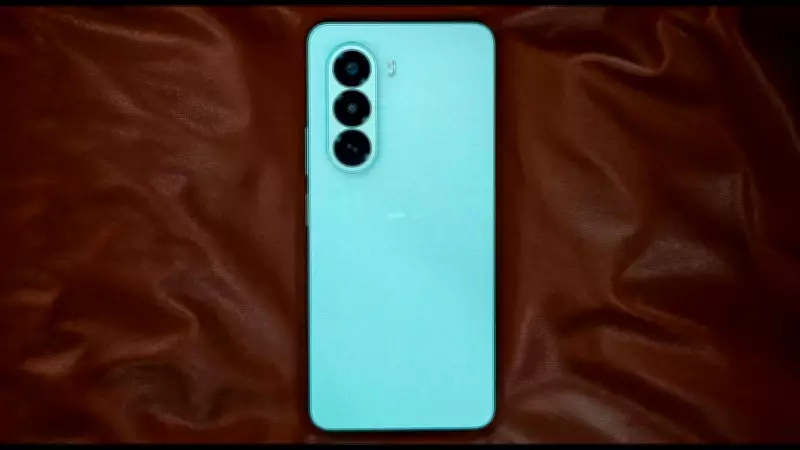
There was a particular kind of phone the Nord CE Lite used to be: the one you bought your parents, the one that lived in a college bag for two years and survived. Budget enough to not think about, OnePlus enough to feel like a real upgrade from whatever came before it. Then, in 2024, the CE4 Lite shipped, and the series went quiet. No CE5 Lite. No explanation. Just a two-year gap during which the segment around it got bigger batteries, faster refresh rates, and the slow creep of AMOLED into prices that used to be LCD-only territory.
The CE6 Lite is OnePlus walking back into all of that. The surprise, on first look, is that it isn't trying to win on everything. It has picked its arguments: a 7000mAh battery in a phone that doesn't feel like it should hold one, a 144Hz panel where the segment standard is still 90Hz, and a chip OnePlus is calling the fastest you can buy in this price band. Around those three decisions, the rest of the phone is what it is.
In the Hand
You would expect a 7000mAh phone to feel like a brick. The CE6 Lite does not. It measures 8.55mm thick and weighs 208 grams, which is heavy on paper but well-distributed in hand. The phone sits flat in the palm rather than tipping backward into your fingers, and the weight stops registering after a few hours. Whatever OnePlus has done with the internal layout is working.

The Vivid Mint finish is the more interesting of the two colors: a soft, chalky green that holds light rather than reflecting it. The matte texture keeps fingerprints from settling, at least so far. Hyper Black is the other option, for anyone who would rather the phone disappear into a pocket. The camera island is a flat oval with three concentric rings, two of them lenses and one a flash. There is no faux-premium detailing here, no fake rings or knurled edges pretending the phone costs more than it does. It just looks like itself.
The fingerprint reader sits inside the power button on the right edge, which is where it belongs at this price because side-mounted sensors actually work. The microSD slot is still here, which most phones in this segment have given up on. A few things to flag, though: no NFC, IP64 covers dust and splashes but nothing past that, and MIL-STD-810H is a drop-resistance certification, not a waterproofing claim.
Where the Money Has Gone
The battery is the headline, and OnePlus is making sure you know it. The company claims 26.2 hours of YouTube, 10.6 hours of battle royale gaming, and 9.1 hours of 4K recording. Lab conditions apply, but even a skeptical translation gets you a phone that comfortably clears a day. The 45W SUPERVOOC charging is included in the box, which still isn't a given at this price. The six-year battery health claim is the kind of promise that only matters three years from now.
The chip is the Dimensity 7400 Apex, a 4nm octa-core part, and the early experience matches what OnePlus is saying about it. Apps open without the small hesitations budget phones usually have. OxygenOS 16 moves cleanly between tasks. Gemini sits at the system level, which is the sort of feature that has quietly become table stakes.
The display is where OnePlus has picked a side. The 6.72-inch panel is LCD, not AMOLED, and that decision will divide buyers. AMOLED exists at this price now, usually at 120Hz and on phones that have given up something else. OnePlus has gone the other direction: kept the LCD, pushed the refresh rate higher than anything else in the segment to 144Hz, and brightened the panel to 1000 nits in HBM mode. The high refresh rate and the 240Hz touch sampling keep scrolling tight. The panel holds up in daylight. The stereo speakers get loud.
That refresh rate is also where the gaming pitch lives. The 144Hz panel and the chip feel tuned together, not bolted on as separate spec-sheet items. The gaming numbers are specific enough to test later: Subway Surfers at 144 FPS, BGMI, Free Fire Max, and Call of Duty Mobile at 90 FPS, and BGMI at 60 FPS rated for six hours of continuous play. That last one is the number worth checking because sustained performance is where chips at this price usually slip.

The camera keeps it simple. A 50MP main sensor does the work. There is a 2MP depth-assist that is really there for portrait mode and an 8MP front shooter. 4K video records off the main sensor. There is the usual AI editing suite that is available on every other OnePlus phone, including Eraser, Reframe, Unblur, and Detail Boost. We have not shot enough with the phone yet to say anything useful about what it produces; that is for the full review.
The Lite, Two Years Later
At Rs 20,999, the CE6 Lite is landing at a price the Lite series has always lived at. What has changed is what OnePlus thinks that price should buy. The phone now has a point of view: it has picked the things it wants to be loud about: the battery, the refresh rate, and the chip. And it lets the rest stand where it stands. Whether those are the right calls is what the next few weeks will tell.
About the Author: The TOI Tech Desk is a dedicated team of journalists committed to delivering the latest and most relevant news from the world of technology to readers of The Times of India. The coverage spans a wide spectrum across gadget launches, gadget reviews, trends, in-depth analysis, exclusive reports, and breaking stories that impact technology and the digital universe. From how-tos to the latest happenings in AI, cybersecurity, personal gadgets, and platforms like WhatsApp, Instagram, Facebook, and more, the TOI Tech Desk brings the news with accuracy and authenticity.