The annual Conference on Neural Information Processing Systems, known as NeurIPS, has undergone a dramatic transformation. What began in 1987 as a small, academic gathering for a few hundred dedicated researchers has exploded into a week-long extravaganza that mirrors the frenzied growth of the artificial intelligence industry itself. This year, more than 24,000 people descended upon San Diego in early December, turning the city into the epicenter of the global tech world.
From Academic Niche to AI-Paloozah2>
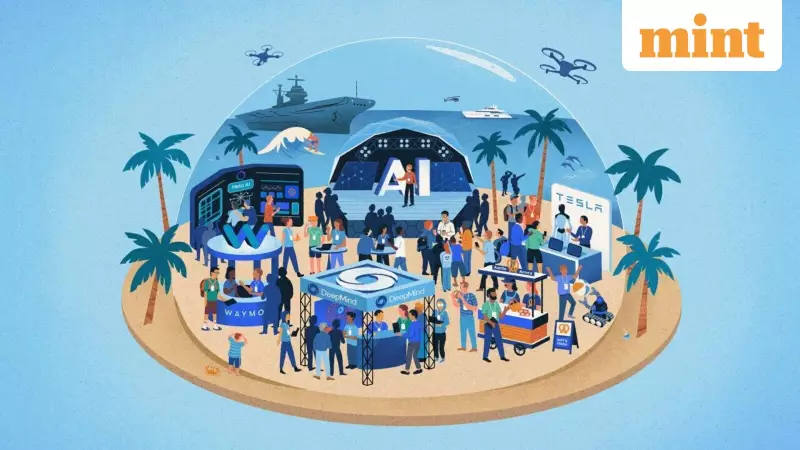
The atmosphere at NeurIPS 2025 was a world away from its humble origins. The event was punctuated by lavish parties, including an invite-only cruise on a triple-decker yacht and a celebration on the historic USS Midway aircraft carrier, sponsored by Canadian AI startup Cohere. Attendees sipped cocktails named after Google's AI chips and debated everything from the work culture at Elon Musk's xAI to the threat of foreign espionage in top labs. The conversations were a mix of profound technical debate and sheer speculation about the future of a technology promising to remake civilization.
The scale of the conference highlighted the seismic shift in AI. Official attendance hit a new record of over 24,000, making the event unwieldy for longtime researchers who once could read every submitted paper. Now, with nearly 5,000 research posters, that feat was impossible. The gender imbalance remained stark, with rarely a line for the women's bathrooms at the overwhelmingly male event.

The Money, The Talent, and The 'Code Red'h2>
Beneath the surface of celebration ran strong currents of anxiety and ambition. University researchers complained about corporate dominance of their field, yet openly discussed the financial offers needed to lure them to "industry." The numbers quoted were staggering, with one researcher sheepishly naming a price tag of $100 million. This reflected the intense talent wars, where elite AI hires began commanding salaries surpassing those of NBA stars, fueled by recruiting blitzes from leaders like Mark Zuckerberg.
The financial stakes defining the year were palpable. Nvidia's market value, under $500 billion at ChatGPT's 2022 launch, soared past $5 trillion before a late-2025 dip. Tech giants like Microsoft, Alphabet, Amazon, and Meta committed over $100 billion to AI infrastructure in a single quarter. Even money-losing OpenAI planned massive new fundraising and spending deals.
A pivotal moment came just before NeurIPS, when Google released a new version of its Gemini model that shot up industry leaderboards. This triggered an internal "code red" at OpenAI, declared by CEO Sam Altman to his team via Slack, urging them to improve ChatGPT amidst rising competition. For many attendees, the week encapsulated the year's promise and peril: skyrocketing investments paired with deep fears of an impending bubble.
Geeking Out Amidst the Glitz h2>
Despite the corporate takeover, the core spirit of research persisted inside the San Diego Convention Center. Researchers presented on esoteric topics like continual learning and reinforcement learning (RL). They debated existential risks, pondered if current methods could lead to true breakthroughs, and questioned whether AI could ever fully replicate the human brain.
Margot Wagner, a 29-year-old postdoctoral researcher from UC San Diego, noted a shift. Big companies were less open with truly novel research, as the breakneck pace rendered months-old work "ancient history." She also observed fewer neuroscience posters, wryly noting, "It's interesting, because that's the 'neur' in NeurIPS."
The expo hall was a recruiting battleground. Tech behemoths and well-funded startups showcased their wares, from Tesla's wiggling Optimus robot to Google's research panels. By night, the action moved to rooftop bars and poolside receptions at luxury hotels, where conversations turned to networking and deal-making.

The conference's A-list celebrities—figures like Google's Jeff Dean, reinforcement learning pioneer Richard Sutton, and podcaster Lex Fridman—were mobbed for selfies and deep technical discussions. The week's symbolic moment arrived during the closing ceremony, when a stalled freight train blocked the path of hundreds of researchers. Faced with the choice to climb through uncertain territory or take a long detour, the crowd split—a perfect metaphor for the industry's dilemma: move boldly into the unknown or wait and risk being left behind.
On that longer, dimly lit path, a group of attendees found their version of a rockstar: Geoffrey Hinton, the so-called godfather of AI. Having quit Google to become an outspoken critic of the technology's risks, Hinton walked with the crowd, sharing his thoughts as they all moved into the darkness ahead, much like the field he helped create.