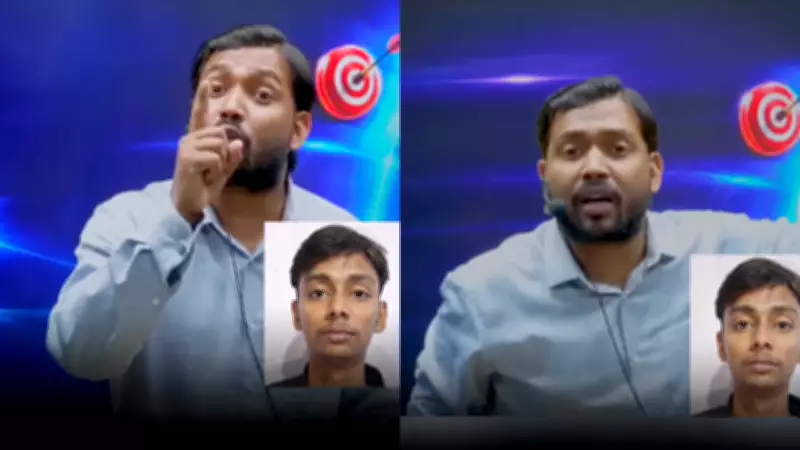
The NEET-UG 2026 controversy has become a story of anger, helplessness, and the collapse of trust between students and institutions. The National Testing Agency cancelled the exam after allegations of a paper leak, plunging lakhs of aspirants into uncertainty. The Centre later handed the matter to the CBI, while protests spread across the country.
Khan Sir's Emotional Reaction
Khan Sir's emotional reaction resonated deeply with students and parents. He argued that the agency had failed in its administrative responsibility, stating that the exam meant "entire life" to students, not just one paper. He questioned the investigation's pace and demanded stricter accountability, highlighting deeper systemic failures.
The Human Cost
The human cost is visible. Reports from Uttar Pradesh described the death of 20-year-old MBBS aspirant Hritik Mishra, whose family said he was deeply distressed after the cancellation. Police stated the matter appeared personal, but the family's grief tells its own story. For students who have spent years preparing, an exam is never just an exam.

Parental Support in Crisis
This moment demands steadier adults. Parents are often the first line of emotional defence. The first job is not correction but containment. The National Institute of Mental Health advises a simple sequence: ask, be there, help keep safe, help connect, and follow up. Listening without interrogation and staying present is key.
Creating a Safe Home Environment
First, make the home a place where fear can be spoken aloud. Parents should avoid minimising the blow with lines like "it is only an exam." The better response is: I can see this hurts; I am here; we will deal with the next step together. Crisis is about shame and loss of control.
From Emotion to Safety
Second, move from emotion to safety. When distress is intense, the child's nervous system needs calming. Reduce noise and arguments. Gently ask direct questions about coping. The Tele-MANAS helpline (14416) offers 24/7 free mental health support.
Protecting Dignity and Rebuilding Direction
Third, protect dignity while rebuilding direction. Separate a child's worth from one result. Discuss alternatives without humiliation and avoid comparisons. A child who feels seen is more likely to recover. Families cannot fix the system alone, but they can ensure its failures do not become the child's identity.
Khan Sir's tears resonated because they expressed what many families feel: a generation is asked to carry enormous pressure without safety nets. The most urgent response is tenderness at home, where a frightened child needs to hear that one broken exam does not erase a future.