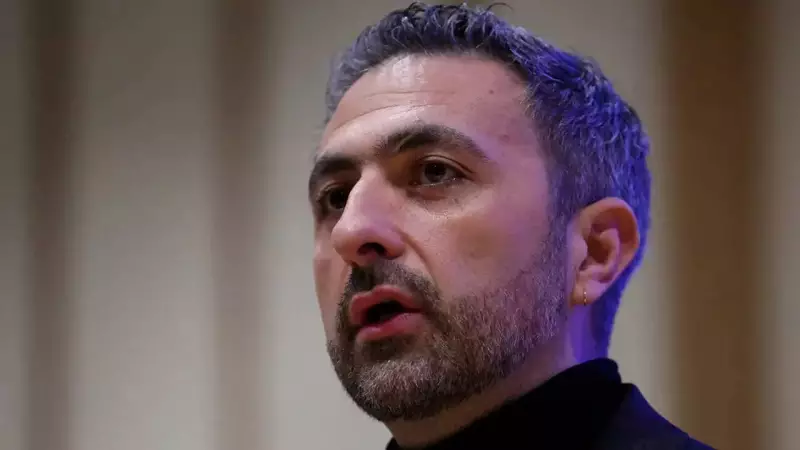
Microsoft's artificial intelligence chief Mustafa Suleyman has publicly come to the defense of the company's AI technology following growing user dissatisfaction. The AI CEO took to social media to express his astonishment at what he called "cynical" attitudes toward recent AI developments.
Social Media Defense Goes Viral
In a viral social media post that attracted significant attention, Suleyman directly addressed critics who have described AI technology as underwhelming. "Jeez there are so many cynics! It cracks me up when I hear people call AI underwhelming," wrote the Microsoft executive, clearly frustrated by the negative reception.
Suleyman drew a striking comparison between today's AI capabilities and the limited mobile technology of the 1990s to emphasize the magnitude of recent advancements. "I grew up playing Snake on a Nokia phone! The fact that people are unimpressed that we can have a fluent conversation with a super smart AI that can generate any image/video is mindblowing to me," he added in his passionate defense.

User Backlash and Elon Musk's Reaction
While Tesla CEO Elon Musk responded with a brief "Good point" indicating agreement with Suleyman's perspective, the overall reaction to the post was overwhelmingly critical. The viral post attracted more than 500 critical responses from users unhappy with Microsoft's AI implementation.
The criticism centers on Microsoft's recent Windows updates that forcefully integrate "agentic AI" features like Copilot. Users and technology experts have raised multiple concerns about these features, describing them as buggy, resource-intensive, and intrusive. Compounding these issues are reports highlighting Copilot's troublingly low 30% accuracy rate alongside growing privacy apprehensions.
Many critics argue that Microsoft is prioritizing flashy AI integration over addressing fundamental operating system problems and respecting user choice. The company has faced particular scrutiny for deploying these features without providing adequate opt-out options for users who prefer not to use AI tools.
Suleyman's Stance on Artificial Superintelligence
Interestingly, Suleyman's strong defense of current AI capabilities comes alongside his recent cautious statements about the future of artificial intelligence. In a recent appearance on the Silicon Valley Girl Podcast, the Microsoft executive expressed significant concerns about the pursuit of Artificial Superintelligence (ASI).
Suleyman described ASI - theoretical AI with reasoning capacities far exceeding human levels - as something that should be treated as an "anti-goal." He explained that the vision of superintelligent AI "doesn't feel like a positive vision of the future" primarily due to the inherent control risks involved.
"It would be very hard to contain something like that or align it to our values," he stated during the podcast interview. Instead of pursuing ASI, Suleyman revealed that his team is focusing efforts on developing what he calls a "humanist superintelligence" that prioritizes supporting and enhancing human interests rather than surpassing human capabilities.
The contrasting positions - defending current AI implementations while expressing caution about future developments - highlight the complex landscape Microsoft navigates as it pushes forward with AI integration across its product ecosystem, particularly in the widely-used Windows operating system.