Global Memory Chip Shortage Will Cost Consumers and Companies Alike
The world faces a severe memory chip shortage that threatens to increase prices for all electronic devices. This situation directly impacts consumers and businesses across multiple industries.
AI Companies Drive Unprecedented Demand
Artificial intelligence companies have created extraordinary demand for memory chips. These chips, including RAM and flash storage, are essential components in nearly every digital device manufactured today. Three companies dominate this market, producing more than ninety percent of global supply.
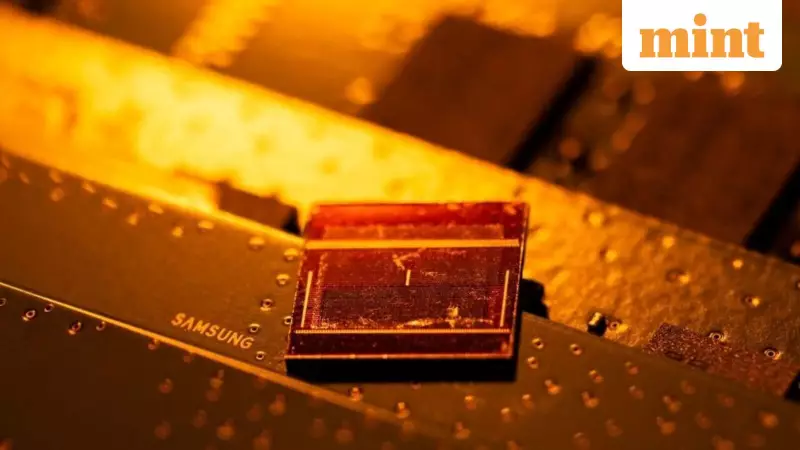
SK Hynix, Samsung, and Micron control the memory chip industry. Their products have become some of the world's fastest-appreciating assets. Prices surged fifty percent during the last quarter of 2025. Analysts project another forty to fifty percent increase by the end of the first quarter in 2026.

Data center builders are willing to pay substantial premiums for these chips. Their aggressive purchasing leaves other buyers struggling to secure adequate supply.
Widespread Consequences Across Industries
The memory shortage will affect numerous sectors beyond artificial intelligence. Consumers should expect higher prices for laptops, televisions, and smartphones. Automakers might face chip shortages that could delay vehicle production.
Avril Wu, a senior research vice president at TrendForce, has tracked the memory sector for nearly two decades. She states this situation differs significantly from previous market fluctuations. "This time really is different," Wu emphasizes. "It really is the craziest time ever."
Manufacturers already operate at maximum capacity using factories built before the AI boom. Current wafer production comes from investments made three or four years ago. This creates a challenging supply situation that will persist for the foreseeable future.
Manufacturers Struggle to Meet Demand
Memory chip manufacturers are taking extraordinary measures to address the shortage. Samsung accelerated completion of a factory originally slowed due to low demand. The company now expands capacity in existing fabrication plants.
SK Hynix reported selling its entire 2026 inventory by late October. The company announced massive investments in new manufacturing capacity funded by record revenues. Micron recently broke ground on what will eventually become a one hundred billion dollar manufacturing complex in New York.
Unfortunately, most new capacity will not become available until 2027. It will not meaningfully impact supply until 2028. For now, manufacturers must work with existing facilities.
Consumer Electronics Face Price Increases
Consumer electronics manufacturers operate with razor-thin margins. Many will have no choice but to raise prices for their products. Smaller manufacturers face particular challenges in this environment.
Research firm IDC updated its year-ahead forecast for smartphones and personal computers. The anticipated price hikes could reduce consumer demand significantly. In a worst-case scenario, smartphone sales might decline by five percent in 2026. Personal computer sales could drop by nearly nine percent.
Some companies explore unconventional solutions to the shortage. Manufacturers of automobile electronics and telecom equipment require older memory types that companies are phasing out. These buyers must negotiate directly with manufacturers to secure allocations.
AI's Extraordinary Memory Requirements
Artificial intelligence systems demand substantially more memory than conventional devices. Nvidia's latest systems support up to 288 gigabytes of high-bandwidth memory for each logic chip. This compares to typical configurations of eight gigabytes for smartphones and sixteen gigabytes for laptops.
High-bandwidth memory production reduces availability of conventional memory. Every square centimeter dedicated to HBM means less capacity for other memory types. Micron's chief business officer explains this trade-off clearly. "Every time we manufacture one extra bit of HBM, we lose three bits of supply of conventional DRAM," Sumit Sadana states.

Data centers will consume more than seventy percent of high-end memory chips produced in 2026. This represents a permanent reallocation of manufacturing capacity toward AI companies and away from other device makers.
Long-Term Outlook Remains Uncertain
Memory chip pricing remains difficult to predict beyond mid-2027. These components might soon represent thirty percent of total device costs, up from less than ten percent currently. As AI companies claim ever more manufacturing capacity, other manufacturers face uncertain pricing for essential memory chips.
MS Hwang, a research director at Counterpoint Research, has worked in the memory industry for over thirty years. When asked how much manufacturers might eventually pay for memory, he responds simply: "There is no limit."
The global memory chip shortage demonstrates how artificial intelligence development affects broader technology markets. Consumers and businesses across multiple industries will feel the impact through higher prices and potential delays in product availability.