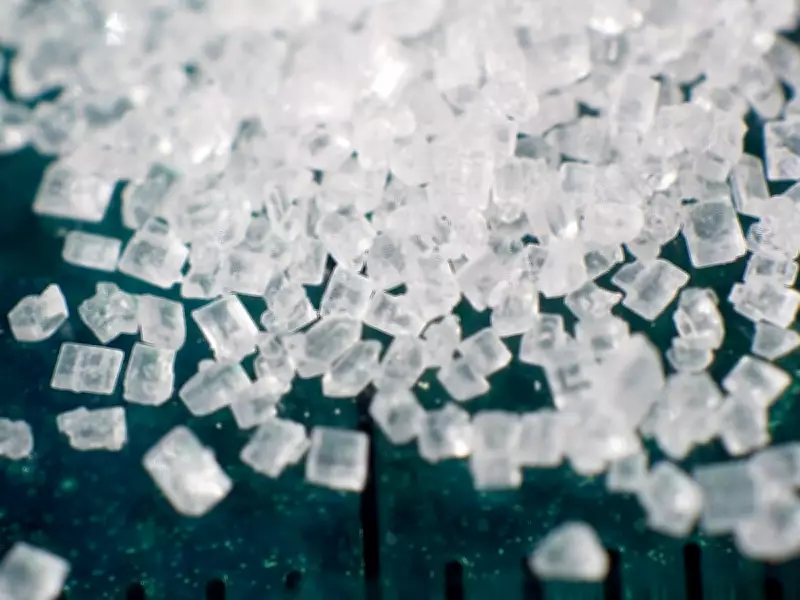
In the mid-1970s, a minor breakdown in communication occurred in a research laboratory at Queen Elizabeth College in London. A young researcher, Shashikant P. Phadnis, was involved in a project to modify sugar molecules. During an encounter with his supervisor, Professor Leslie Hough, Phadnis misheard a routine instruction. He thought he was told to "taste a chemical compound" that he had just synthesized, whereas the actual instruction was to simply "test" the compound. This misunderstanding, which might have been dismissed as a typical laboratory error, initiated a discovery that would become one of the most widely used artificial sweeteners in the world. When Phadnis placed a minute quantity of the experimental powder on his tongue, he discovered that the compound was unexpectedly and intensely sweet. He experienced an overwhelming and unforeseen stimulation of extreme sweetness. This was the invention of sucralose, which would later become a major additive in foods and beverages globally.
A Deliberate Chemical Breakthrough
Sucralose was not invented entirely through serendipity, although the human element was crucial. The construction of the molecule involved deliberate and methodical research into the chemical structures of sugar. A systematic research process of chemically modifying sugar molecules resulted in the production of sucralose when researchers replaced three of the hydroxyl groups of common sucrose with chlorine atoms. This is explained in a study published in the Journal of Toxicology and Environmental Health. This atomic swap changes the molecule's behavior, making it far more stable and almost indestructible by the human body. This modification is responsible for the substance's lack of calories, high heat tolerance, and suitability for cooking and baking.
An Overwhelming Sensory Surprise
The magnitude of sweetness experienced in the lab is almost impossible to relate to. A research review in Nutrition Reviews explains that sucralose is considered about 600 times sweeter than table sugar. Since the human tongue has specialized receptors for sweetness, this dramatic increase means that even the most infinitesimal amount creates a major sensory event. In a typical lab environment, the magnitude of this difference was quickly observable. It was obvious to the research group that they were not dealing with a minor increase in sweetness, but a massive one that made the molecule incredibly valuable to food science.

From Laboratory Tables to Global Diet Trends
The history of sweetener science shows that unexpected taste experiences are common. Other sugar substitutes have also been discovered through momentary, mistaken intense sweetness. Research often continues even after the unexpected result is documented, which reinforces the idea that everyday minor errors can lead to significant findings. A simple misheard utterance in a London laboratory laid the foundation for modern nutrition policies and transformed consumption habits worldwide. Many years after that laboratory taste test, the compound remains at the center of debates on sugar, diet, and public health management. The sucralose example reminds us of the importance of careful science in recognizing and turning a societal accident—stemming from a single, isolated misunderstanding—into a pathway for improvement.