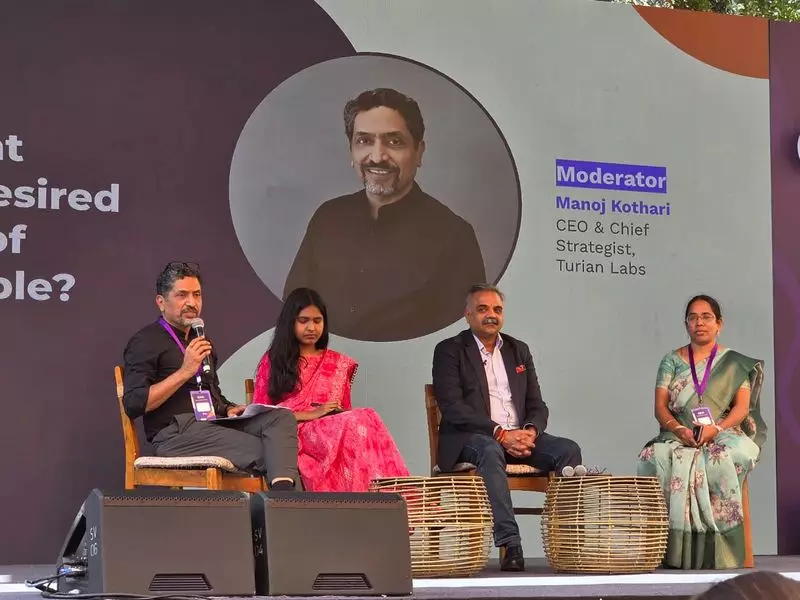
In a landmark move poised to reshape India's employment and skilling landscape, the state of Karnataka has launched the nation's first-ever Artificial Intelligence-powered Skills Intelligence Unit (SIU). Announced by the Department of Skill Development, Entrepreneurship, and Livelihood (SDEL), this pioneering initiative aims to execute a district-level workforce revolution within an ambitious timeframe of just 90 days.
The Genesis of a Data-Driven Skilling Mission
The launch event, held in Bengaluru, was presided over by Sharan Prakash Patil, the Minister for Skill Development. The core objective of the AI-powered unit is to tackle the persistent mismatch between the skills possessed by the workforce and those demanded by the evolving job market. By leveraging advanced artificial intelligence and data analytics, the SIU will create a dynamic, real-time map of the skills available across each of Karnataka's districts.
This granular, district-level intelligence is designed to move beyond generic state-wide plans. "This is not just another government portal," officials emphasized. "It is an intelligent system that will predict, plan, and propel our skilling ecosystem." The unit will analyze vast datasets to identify existing skill gaps, forecast emerging industry requirements, and provide actionable insights to tailor training programs with unprecedented precision.

How the AI Unit Will Power Karnataka's Workforce
The operational blueprint of the Skills Intelligence Unit is built on several key pillars. First, it will integrate with and enhance the state's existing FutureSkills platform, creating a centralized hub for skills data. The AI engine will process information from multiple sources, including educational institutions, industry bodies, and employment trends, to generate predictive models.
Within the next 90 days, the government expects the system to deliver its first phase of actionable intelligence for district-level authorities. This will empower them to:
- Identify the most in-demand skills in their local economies.
- Design targeted skilling and upskilling programs to address specific shortages.
- Connect trained individuals with relevant job opportunities more efficiently.
- Attract industries by showcasing a ready, skilled talent pool.
The initiative is a direct response to the fast-changing technological environment, where traditional job roles are rapidly transforming. By anticipating skills needed for the future—in sectors like AI, cybersecurity, green energy, and advanced manufacturing—Karnataka aims to future-proof its youth and maintain its competitive edge as a knowledge economy.
Implications for India's Skilling Ecosystem
The launch of India's inaugural AI-driven Skills Intelligence Unit marks a significant shift from a supply-driven to a demand-driven skilling model. For students and job seekers, it promises more relevant training that directly enhances employability. For industries, it offers a reliable pipeline of job-ready talent, reducing onboarding costs and training time.
This move also solidifies Karnataka's position at the forefront of technological adoption in governance. If successful, the model could serve as a blueprint for other Indian states looking to optimize their human capital development strategies. The 90-day deadline for district-level rollout sets a clear, measurable benchmark, underscoring the government's commitment to swift and tangible outcomes.
As Minister Sharan Prakash Patil stated, the ultimate goal is to ensure that "every individual in Karnataka is skilled, empowered, and ready for the jobs of tomorrow." By harnessing the power of artificial intelligence for strategic workforce planning, the state has taken a decisive step towards turning that vision into a data-informed reality.