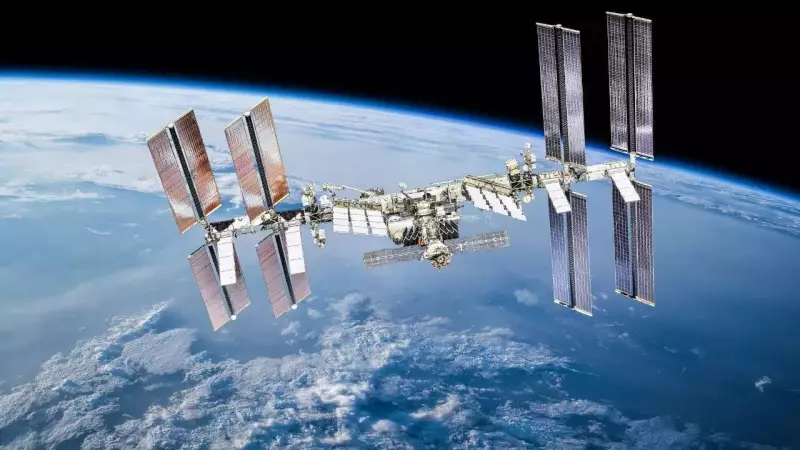
International Space Station Nears Controlled Deorbit as Operations Wind Down by 2030
The International Space Station (ISS), after more than two decades of continuous human habitation, is entering its final phase in orbit. NASA and its global partners have shifted from theoretical discussions to active preparations for a controlled, safe return to Earth, with operations expected to conclude by the end of this decade. The ageing structure, facing issues like thermal cycling and material fatigue, can no longer be maintained safely beyond 2030, prompting this meticulous end-of-life plan.
Why a Controlled Deorbit is Essential for Safety
Allowing the massive ISS to decay naturally poses unacceptable risks due to its size and durable components. An uncontrolled reentry could scatter debris over populated areas, violating international safety protocols. Instead, engineers will guide the station down in a deliberate process, prioritizing safety over spectacle. This approach minimizes the debris footprint by targeting a remote ocean location, ensuring that any surviving fragments land in an isolated zone.
Point Nemo: The Remote Ocean Destination for Spacecraft
Central to this plan is Point Nemo, a stretch of the South Pacific Ocean equidistant from South America, Antarctica, and New Zealand. Known as Earth's most isolated spot and a spacecraft graveyard, its extreme remoteness makes it ideal for controlled reentries. With minimal ship traffic and no nearby settlements, it reduces the chance of harm even if some debris reaches the surface intact, following precedents set by other large satellites.

Step-by-Step Deorbit Process: A Gradual Descent
The deorbit will unfold methodically over months, not in a single dramatic event. Initially, the station's altitude will be lowered gradually using atmospheric drag, conserving fuel. Once crews depart and the orbit aligns, a dedicated de-orbit vehicle will execute a final maneuver to direct reentry over Point Nemo. As the ISS encounters denser air, it will break apart, with solar arrays and radiators separating first, followed by larger modules heating and disintegrating.
What Survives Reentry and Environmental Considerations
Most of the ISS, including aluminium structures and internal equipment, will vaporize during reentry. However, denser elements like truss parts may survive intact, landing within a defined corridor near Point Nemo. Environmental impact is projected to be minimal, as the area is deep, biologically sparse, and debris will sink with inert materials. Monitoring will ensure the footprint stays within planned bounds, leveraging data from past reentries like Mir and Skylab.
Long-Term Planning for a Seamless Transition
NASA's early planning, years ahead of the 2030 deadline, allows for coordinated efforts across agencies, precise orbital mechanics, and a smooth transition to commercial platforms in low Earth orbit. This proactive strategy maintains control, reduces risk, and ensures the process remains quiet and methodical, culminating in a safe return far from human attention.