India is facing a silent health emergency — one that is often ignored because it does not look the way people expect. Most people, when they think of obesity, imagine someone visibly overweight. In everyday life, health is judged by appearance. If a person looks 'normal' or wears normal-sized clothes, they are presumed to be healthy. In India, this assumption is increasingly — and dangerously — mistaken.
The Hidden Fat That Harms
Sometimes you do not see fat in the mirror. It often lives deep in the abdomen, near vital organs. This fat inside the abdomen, around the organs, is just as harmful as fat under the skin and is a major cause of diabetes, fatty liver disease, heart disease, and high blood pressure. What Indians do not see (or know) about their body type is often what does them the most harm.
The High Body Fat, Low Muscle Mass Phenotype: A Unique Risk Marker
Indians have a different body composition, with higher body fat, lower muscle mass, and a greater tendency to store fat around the abdomen — even at lower body weights. This 'high body fat, low muscle mass' phenotype means a person can look thin but be metabolically unhealthy, with abnormal blood sugar, blood pressure, cholesterol, and liver function. This helps explain why so many Indians develop diabetes, fatty liver disease (and liver damage), or heart disease (including stroke) in their thirties and forties, even though they do not look overweight. The gap between appearance and health is still deceiving people and families. Looking normal does not mean being healthy anymore.

Why BMI Is Not Enough to Measure Obesity
Obesity is classically defined by the body mass index (BMI, the ratio of body weight in kilograms divided by height in meters squared), a simple and easy measure to calculate. But it has key limitations. BMI does not distinguish between fat and muscle, and it does not show where fat is stored. This is particularly relevant for Indians, who tend to have higher body fat at lower BMI levels. So two people can have the same BMI and be at very different health risks — one may be relatively healthy, while the other may have a lot of internal fat and therefore be at high risk of disease. BMI measures weight, but not necessarily risk.
The Real Danger of Fat In and Around the Belly
Not all fat is the same, and belly fat is especially harmful. In fact, it is called 'sick fat' — a term used in medical literature to refer to fat tissue that actively damages the normal functions of the body. Interestingly, fat stored deep in the abdomen, around the liver, pancreas, kidneys, and even the heart, behaves like an active organ. Over time, it releases inflammatory chemicals, attracts unhealthy cells, disrupts insulin action, and damages blood vessels. This causes insulin resistance and increases the risk of diabetes, heart disease, stroke, fatty liver disease, and cancers. The location of the fat, not the amount, determines health effects. Your waist is more important than your weight. The tape measure may be more important than the weighing scale.
Measuring What Matters: Waist Circumference
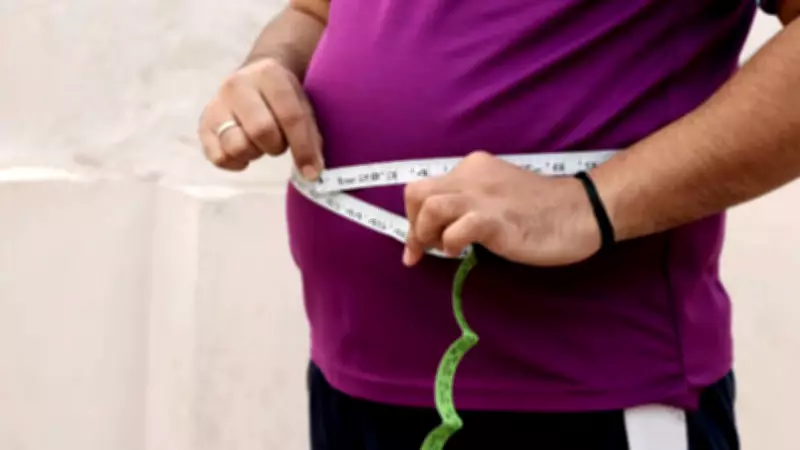
Given these realities, health assessment needs to go beyond body weight. Waist circumference is one of the easiest and best tools to detect risk, especially in Indians. Abdominal obesity is defined as a waist circumference of 90 centimeters or more in men and 80 centimeters or more in women, and the waist-to-height ratio should be less than half of one's height. These are practical, low-cost measures that can identify risk early. Measuring waist size regularly at home and seeking medical advice when values are high can make a meaningful difference. A tape measure can measure what a weighing machine cannot.
A Widening Crisis Across India
Abdominal obesity is increasing rapidly throughout India, in both urban and rural populations. This is not limited to well-off groups or older people; it affects more and more young people, and prevalence rates are particularly high in women. What was previously considered a city problem of lifestyle has now risen as a national public health problem. It is not about money. It has crept into the villages.

What Causes This Change?
This shift is the result of several factors. Diets have shifted from traditional fiber-rich foods to refined carbohydrates, processed foods, and sugary drinks. Decline in physical activity, sedentary lifestyles, and long hours of sitting have led to poor sleep and chronic stress, further interfering with metabolism and promoting fat accumulation. Excess alcohol intake is another, and increasingly appreciated, driver, especially in the setting of fatty liver disease. Early-life undernutrition followed by excess in adulthood also increases susceptibility. Genetics play a part, but lifestyle is still the biggest factor. Our bad habits are beating our good genes and messing up our health.
A Novel Way to Classify Obesity
Obesity is no longer simply defined as excess body weight, but rather as excess body fat that impairs health or organ function. Under a newer classification adopted by several major medical organizations, obesity is generally split into two stages. Stage 1 means people who are heavier than average but do not have much fat in the abdomen or related diseases, and do not have any additional symptoms during day-to-day activities because of their weight (such as shortness of breath, palpitations, or knee pain). Stage 2 is abdominal obesity with complications (diabetes, fatty liver, or high blood pressure) or physical symptoms. Aggressive management with diet, exercise, and medication if necessary is required. This group could be given new drugs for weight loss. Stage 2 is advanced obesity requiring aggressive treatment before the onset of multiple diseases.
How You Can Help Yourself
Early detection does not require costly tests. You can use a simple tape measure at home to monitor your waist size and catch risk early (or ask your tailor for your waist size). Crucially, note the increase in waist size even without weight gain, and early warning signs such as fatigue after meals, breathlessness on routine activities, or abnormal blood tests. Identifying and responding to these signals can prevent progression to more serious disease. Small warnings today can save big diseases tomorrow.
Looking Forward
The obesity crisis in India is not just about weight gain; it is also about clinging to outdated measures of health. The biggest threat is still the invisible fat, because it does damage long before you have any symptoms. A person can look healthy but already be on the path to diabetes or heart disease. A tape measure will tell you your risk; a weighing scale will not.