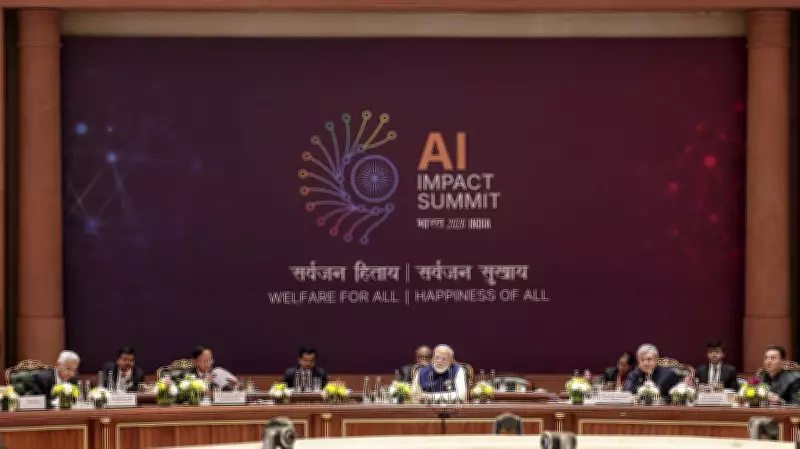
India's AI Summit Incident: A Deeper Look at Borrowed Robotics
The recent AI Summit incident, while likely to fade from the headlines, has sparked a crucial debate about India's approach to science and technology. At the heart of this discussion lies a fundamental question: does India aim to merely perform science using borrowed tools, or does it aspire to practise it through genuine, homegrown innovation?
The Ephemeral Nature of Headlines
As Mousumi Roy points out, the specific details of the AI Summit incident will soon be overshadowed by other news. However, the underlying issues it raises are far from temporary. This event serves as a stark reminder of the challenges India faces in building trust and capability in advanced technologies like robotics and artificial intelligence.
When nations rely on borrowed robots or imported technological solutions, they often find themselves in a precarious position. The performance of science becomes dependent on external systems, which can lead to vulnerabilities in security, control, and long-term sustainability. This reliance questions whether India is truly advancing its scientific prowess or simply executing tasks with tools developed elsewhere.

The Core Dilemma: Performance vs. Practice
The distinction between performing science and practising it is critical. Performing science involves using existing technologies to achieve specific outcomes, often without deep understanding or ownership of the underlying principles. In contrast, practising science entails developing indigenous expertise, fostering innovation from within, and creating technologies that align with local needs and contexts.
For India, this dilemma is particularly pronounced in fields like AI and robotics. The country has made significant strides in adopting these technologies, but much of this progress relies on systems and knowledge borrowed from other nations. This raises concerns about:
- Trust: Can India fully trust borrowed robots in sensitive applications, such as defense, healthcare, or critical infrastructure?
- Innovation: Does reliance on external tools stifle homegrown research and development?
- Autonomy: How can India achieve technological sovereignty if it depends on imported solutions?
Building a Path Forward
To move beyond borrowed robotics, India must invest in several key areas. First, enhancing domestic research and development in AI and robotics is essential. This includes funding for universities, startups, and public-private partnerships that focus on creating indigenous technologies.
Second, fostering a culture of innovation and critical thinking in education can help cultivate the next generation of scientists and engineers who are capable of practising science, not just performing it. Initiatives that encourage hands-on experimentation and problem-solving are crucial in this regard.
Finally, policy frameworks that support local manufacturing and reduce dependency on imports can strengthen India's technological base. By prioritizing homegrown solutions, the country can build trust in its own systems and contribute meaningfully to global scientific advancements.
In conclusion, while the AI Summit incident may be a fleeting news story, it underscores a persistent challenge for India. The choice between performing science with borrowed robots and practising it through indigenous innovation will shape the nation's technological future. By addressing trust issues and investing in local capabilities, India can transition from a consumer of technology to a creator, ensuring long-term success and sovereignty in the AI-driven world.