The Ministry of New and Renewable Energy (MNRE) has officially launched operational guidelines for setting up small hydropower projects of up to 25 MW capacity over the next five years, with a financial outlay of nearly Rs 2,585 crore. This initiative aims to promote cleaner non-fossil energy sources across India.
Key Features of the Scheme
The scheme targets the installation of approximately 1,500 MW of small hydropower capacity nationwide, with a special focus on hilly and northeastern states. A dedicated portal has also been launched to enhance transparency and efficiency in the programme's implementation.
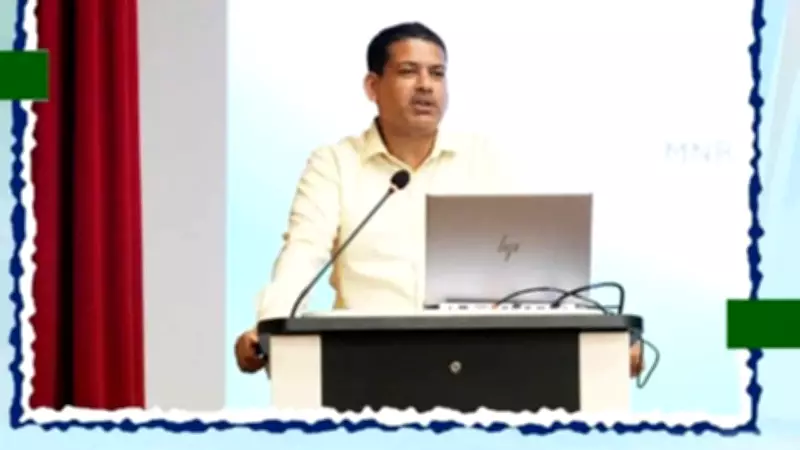
The guidelines were unveiled during a national workshop attended by stakeholders, including state officials, public sector undertakings, developers, technical institutions, and industry associations.

Government's Vision
MNRE Secretary Santosh Kumar Sarangi emphasized that India's clean energy transition requires diversification of renewable energy sources and region-specific solutions. He described small hydropower as a "mature, reliable, and environmentally sustainable renewable energy technology" that can strengthen energy security, support rural development, and promote balanced regional growth. India's small hydropower potential is estimated at around 21 GW, but only a fraction has been harnessed so far.
Financial Assistance Structure
The central government will provide financial assistance of up to Rs 30 crore, or 30% of project cost, for projects in northeastern states and districts with international borders. For other regions, the support will be capped at Rs 20 crore, or 20% of project cost.
Officials from the Solar Energy Corporation of India, the implementing agency, presented key features including eligibility criteria, financial assistance structure, project timelines, implementation mechanisms, and institutional arrangements.
Expected Impact
The programme is expected to attract around Rs 15,000 crore in investment, boosting clean energy initiatives in remote and rural areas while creating significant employment opportunities. It is projected to create around 9,000 permanent jobs and generate more than five lakh person-days of employment during the construction phase.
This initiative marks a significant step towards India's renewable energy goals, leveraging small hydropower as a sustainable solution for energy security and regional development.