In a significant diplomatic and technological outreach, India has formally invited China to participate in its flagship artificial intelligence event, the AI Impact Summit, scheduled for February 2026 in New Delhi. This marks the first occasion where India has extended an official, partnership-level invitation to its neighbor for this annual gathering, signaling a strategic move to shape global AI governance.
A Strategic Invitation for Global Collaboration
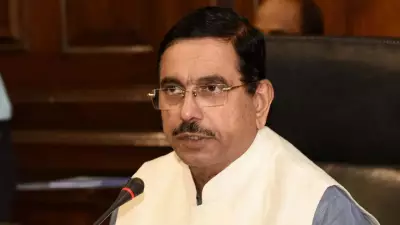
S. Krishnan, Secretary at the Ministry of Electronics and Information Technology (Meity), confirmed the development, stating that invitations have been dispatched to numerous nations worldwide, with a particular emphasis on the Global South. While many countries, including France, have already confirmed their participation, the invitation to China stands out as a pivotal gesture. This outreach follows China's attendance at the 2025 AI Action Summit in France, where India served as co-chair, and comes after China opted not to sign the declaration at the 2024 AI Summit in Seoul.
Krishnan did not confirm whether China will be among the 100-plus nations expected to attend the February 2026 summit. Attempts to seek a comment from the Chinese embassy did not receive a response prior to the announcement.

The Summit Agenda: Policy, Showcase, and High-Profile Attendance
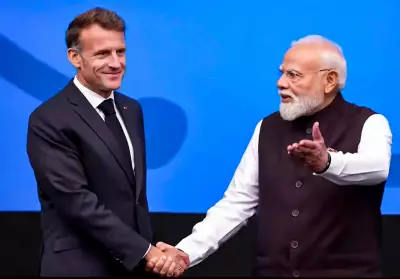
The five-day India AI Impact Summit is set for 15 to 20 February 2026. The event is poised to be a major global congregation, with over 50 heads of state anticipated. Prime Minister Narendra Modi is expected to host a welcome dinner for these leaders and top technology executives in the capital on 18 February.
The summit aims to achieve two primary objectives. First, to arrive at a definitive policy declaration that fosters a collaborative, unified approach to AI regulation. Second, to showcase India's domestic advancements in foundational AI models developed by startups funded under the national AI Mission.
"The idea would be to sign a definitive declaration, and the idea to sign a policy agreement that allows for a collaborative approach to regulating AI in a unified direction is also on the cards," Krishnan elaborated. He emphasized that India's regulatory approach has not raised fundamental concerns from any nation or company.
China's Role in the Global AI Landscape
China's potential participation adds a crucial dimension to the summit, given its rising prominence in AI development. Chinese-origin models like DeepSeek and Qwen have gained international attention by offering cost-effective alternatives to established systems like OpenAI's GPT and Google's Gemini. DeepSeek's models, released last year, promised to drastically reduce AI training and operational costs, though their global enterprise adoption remains limited due to a lack of widespread citations.
The guest list for the summit also includes luminaries from the global tech industry. Confirmations have been received from figures such as Bill Gates, Dario Amodei of Anthropic, and Demis Hassabis of Google DeepMind. Krishnan noted that while not the main focus, major announcements from large tech firms will be a significant part of the event.
This summit builds upon India's inaugural AI event in December 2023, which resulted in an AI safety declaration signed by the Global Partnership on AI (GPAI). However, the efficacy of such international declarations continues to be scrutinized by stakeholders worldwide, placing greater importance on the tangible outcomes expected from the 2026 gathering.