That sense of calm that washes over you the moment you step into a well-designed hotel lobby is not accidental. Hotels are carefully engineered environments, where lighting, layout, scent and sound are all chosen with one goal in mind: to make you feel so at ease that you never want to leave.
Tired of too many ads? Go ad free now. Guests infrequently clock what is happening around them but behind the polished surfaces and ambient playlists, there is a whole discipline of behavioural design quietly at work, nudging you to linger in the bar, wander through the lounge and order one more round. Here, we pull back the curtain on the design tricks hotels have been using for years and why they work so well.
Lighting that slows you down
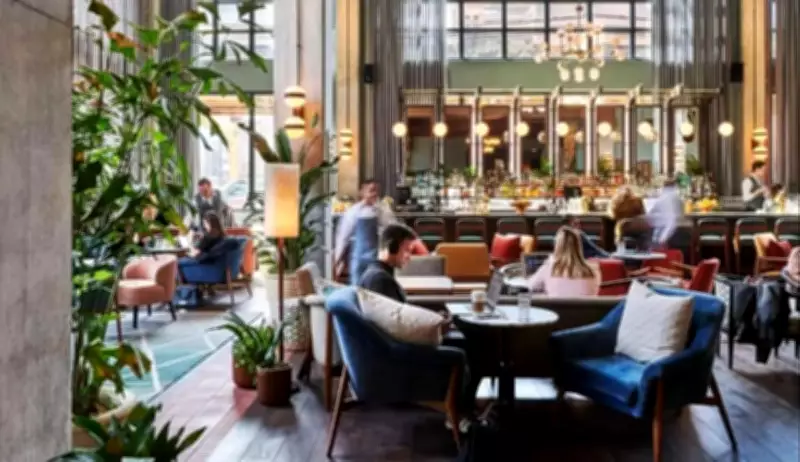
Walk into most hotel lobbies, bars or restaurants and you will notice the lighting is warm, low and soft. That is no coincidence. Bright, cool light signals alertness; it is why offices use it. Hotels do the opposite on purpose. A thesis on enhancing the mental health of hotel guests through interior design, published in Berlin International University of Applied Sciences Thesis Repository, explored the impact of architectural design strategies - specifically lighting design, surface finishes and space planning - on mild depression within the context of a hotel room. It revealed that warm lighting triggers a psychological sense of comfort and safety.

Sam Allen, Managing Director of Noisy&Co, a UK-based hybrid creative agency specialising in immersive brand experiences and exhibition design, has spent years helping brands build environments that shape the way people feel and behave. In an interview with the Times of India, he shared, "Warm lighting triggers a psychological sense of comfort and safety. When people feel relaxed, they slow down. They order another drink, they sit a little longer, they stop watching the clock."
Layouts that encourage exploration
Ever noticed how it can take a moment to find your bearings in a hotel? That is by design. Rather than straightforward corridors that funnel guests directly to their rooms, many hotels use deliberate layout choices to route guests past bars, lounges and retail spaces. Immersive experience expert reveals the hidden design techniques hotels use to make guests feel more relaxed, lose track of time and spend more.
"The goal is to create a sense of discovery," Sam explained. "If guests feel like they're exploring rather than just navigating, they're far more likely to stop, sit down and spend."
Scent Marketing
Many major hotel chains pipe signature scents through their ventilation systems and there is solid science behind it. Scent is the sense most directly linked to memory and emotion, meaning a carefully chosen fragrance can make a space feel instantly familiar and comforting, even on a first visit. "Scent is one of the most underestimated tools in experiential design," said Sam. "Get it right and guests associate those positive feelings with your brand every time they smell it." A 2026 report on scent marketing strategies for retail, hotels and real estate in the ScentaFlora Industry Report found, "Hotels already understand first impressions. The 2026 focus is guest loyalty... Signature scent branding is central... Guests return when the experience feels familiar in a good way."
Music and Soundscapes
The background music in a hotel bar isn't chosen because the manager likes it. Tempo, volume and genre are all considered. Research shows that slower music leads people to spend more time and more money in hospitality settings. Hotels know this, and they programme their soundscapes accordingly. A hospitality economics review in LinkedIn Pulse highlighted the impact of music on guest behaviour.
Comfortable "in-between" spaces
Lobbies, mezzanines and communal lounges in well-designed hotels are built to feel like destinations, not just thoroughfares. Comfortable seating, good lighting and proximity to food and drink service blur the line between passing through and settling in. "These spaces do a lot of heavy lifting," said Sam. "When a lobby feels as inviting as a living room, guests stop treating it as somewhere to walk through and start treating it as somewhere to be."

Visual moments that reward exploration
Statement artwork, striking installations and carefully considered interiors give guests reasons to pause. Beyond the aesthetic appeal, these visual moments are increasingly designed with social media in mind. An Instagrammable corner looks good, keeps guests engaged with the space and draws new ones in.
Seamless, Frictionless Design
The easier a hotel makes everything, from finding the restaurant to ordering room service, the less likely guests are to leave. Friction is the enemy of dwell time. Intuitive layouts, clear wayfinding and well-placed amenities all reduce the mental effort of being there, making guests more likely to stay put.
Multi-Sensory Design
The most sophisticated hotel environments don't rely on one element alone. Light, scent, texture, sound and visual interest are layered together to create something that feels cohesive and immersive. When every sense is engaged in a complementary way, guests find the space genuinely difficult to leave. "Multi-sensory design is where the magic happens," said Sam. "Each individual element might be subtle on its own, but together they create an environment that feels almost magnetic."
None of these details are accidental. The hotels that do this well have thought carefully about every element of the guest experience, from the moment someone walks through the door to the moment they reluctantly check out. Lighting, scent, sound, layout: each one is a considered decision and together they add up to something guests feel but rarely identify.
Sam Allen pointed out, "What's interesting is that the best designed spaces don't feel manipulative; they just feel good. Guests leave thinking they had a great time, without ever realising how much of that experience was shaped for them. That's the mark of truly effective experiential design. As brands and venues continue to invest in these techniques, the environments around us are becoming increasingly sophisticated at influencing how we feel and how long we stay."