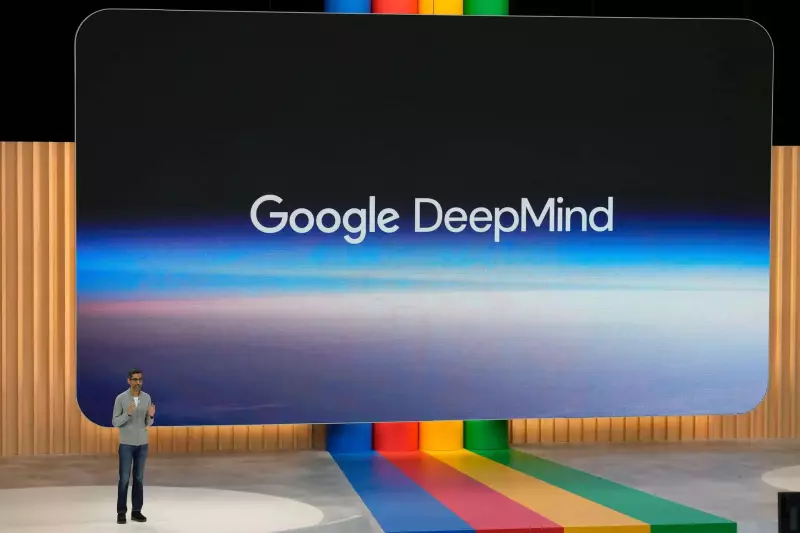
Google DeepMind Employees Demand Safety Plans from ICE on Company Premises
Employees at Google DeepMind have formally requested the company's leadership to develop comprehensive plans and policies aimed at ensuring their physical safety from Immigration and Customs Enforcement (ICE) agents while on company premises, according to a report by Wired. This move comes amid growing concerns within the tech industry about federal overreach and employee security.
Internal Message Board Sparks Widespread Concern
On Monday morning, an employee posted what they described as a US focused question on an internal message board used by Google's approximately 3,000-person AI unit. The query was raised just two days after federal agents fatally shot Alex Pretti, a nurse from Minneapolis, highlighting escalating tensions.
The employee explicitly asked, What is GDM doing to keep us physically safe from ICE? The events of the past week have shown that immigration status, citizenship, or even the law is not a deterrent against detention, violence, or even death from federal operatives. Screenshots of the internal messages, obtained by Wired, reveal that this post garnered more than 20 positive reactions from other Google DeepMind staffers, indicating widespread support for the concern.

By Monday evening, senior leaders from Google had not publicly responded to the inquiry, leaving employees in a state of uncertainty. The silence from top executives has only fueled further anxiety among the workforce.
Past Incidents Validate Employee Fears
The concerns raised by Google DeepMind employees are not without precedent. In a separate incident reported by Wired, another staffer highlighted an alleged attempt by a federal agent to enter the company's office in Cambridge, Massachusetts, during the fall season.
Google's head of security and risk operations later clarified the situation, stating that an officer arrived at reception without notice and was not granted entry because they did not have a warrant and promptly left. Despite this clarification, the incident has left a lasting impression on employees, who now fear similar or more aggressive encounters in the future.
Notably, Google CEO Sundar Pichai and DeepMind CEO Demis Hassabis have remained silent on Pretti's killing, even in internal communications, according to sources. In contrast, Google DeepMind's chief scientist, Jeff Dean, has been vocal on social media platform X, condemning the shooting as absolutely shameful.
Tech Industry Leaders Navigate Delicate Balance
The employee concerns at DeepMind emerge as other tech executives begin to cautiously voice their opinions on the matter. OpenAI CEO Sam Altman, in an internal Slack message, stated that what's happening with ICE is going too far, as reported by The New York Times. Altman also praised President Trump as a very strong leader and expressed hope that he would rise to this moment.
Similarly, Apple CEO Tim Cook sent a memo to staff on Tuesday, expressing that he was heartbroken by the events in Minneapolis and had a good conversation with Trump about his views, according to Bloomberg. Anthropic CEO Dario Amodei described the Minnesota incidents as a horror and confirmed that his company holds no contracts with ICE.
These statements underscore the fine line tech CEOs must walk between criticizing federal actions and maintaining relationships with political figures, especially in an election year.
Broader Implications for Silicon Valley
Google, along with numerous other Silicon Valley firms, depends heavily on thousands of highly skilled foreign workers who are in the United States on visas. This reliance makes the issue of ICE interactions particularly sensitive, as any enforcement actions could directly impact a significant portion of their workforce.
The lack of a formal response from Google prior to publication adds to the growing unease within the tech community. As employees continue to demand clarity and protection, the situation highlights broader questions about corporate responsibility, immigration policies, and employee rights in the face of increasing federal scrutiny.

Ultimately, the calls for safety plans at Google DeepMind reflect a larger trend of tech workers advocating for their security and well-being, setting a precedent for how companies might address similar concerns in the future.