Fourth xAI Co-Founder Tony Wu Exits Elon Musk's AI Venture
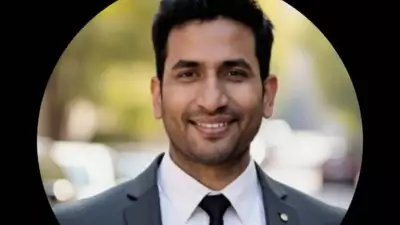
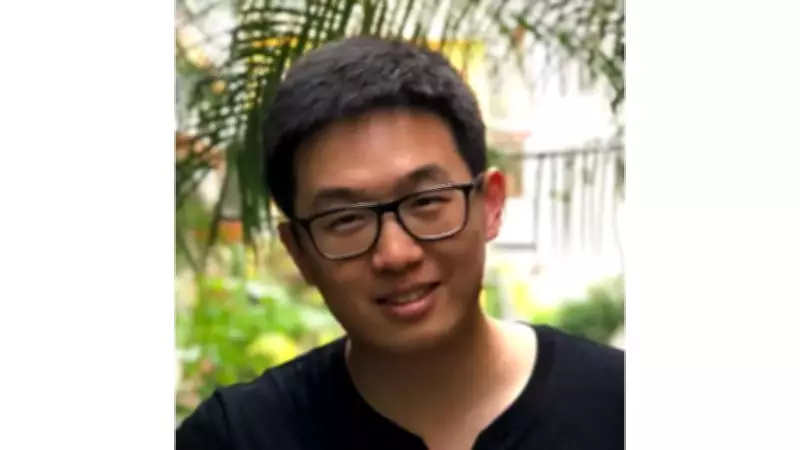
Tony Wu, one of the original co-founders of Elon Musk's artificial intelligence company xAI, has officially resigned from his position. This development marks the fourth departure of a co-founder from the AI startup within the past year, signaling a period of significant transition for the firm.
Announcement Made on Social Media Platform X
Wu publicly announced his resignation through a post on the microblogging platform X, formerly known as Twitter. In his heartfelt message, he expressed both nostalgia for his time at xAI and excitement for future opportunities in the rapidly evolving AI landscape.
"I resigned from xAI today," Wu wrote. "This company - and the family we became - will stay with me forever. I will deeply miss the people, the warrooms, and all those battles we have fought together."

He continued with an optimistic outlook on the current technological moment: "It's time for my next chapter. It is an era with full possibilities: a small team armed with AIs can move mountains and redefine what's possible."
Gratitude Expressed Toward Elon Musk
In his departure announcement, Wu specifically thanked xAI CEO Elon Musk for his leadership and vision. "Thank you to the entire xAI family. Onward. And to Elon @elonmusk - thank you for believing in the mission and for the ride of a lifetime," he wrote.
This public acknowledgment highlights the close working relationship between Musk and his early collaborators at xAI, even as they pursue separate paths.
Pattern of Co-Founder Departures
Tony Wu's exit follows a pattern of leadership changes at xAI. He becomes the fourth co-founder to leave the company in recent months, joining:
- Christian Szegedy
- Igor Babuschkin
- Greg Yang
These consecutive departures raise questions about the internal dynamics and strategic direction of Musk's AI venture as it navigates both technological development and corporate restructuring.
xAI's Corporate Evolution and IPO Plans
Founded by Elon Musk in 2023, xAI has undergone significant organizational changes in its relatively short existence. The company was initially brought under the umbrella of Musk's social media platform X, integrating its Grok chatbot with the public-facing platform.
More recently, Musk's aerospace company SpaceX acquired xAI, further consolidating the AI firm within Musk's broader business ecosystem. This acquisition has positioned xAI for potential public market entry.
According to industry reports, xAI is actively preparing for an initial public offering later this year. Market analysts estimate that this move could potentially value SpaceX at approximately $1.5 trillion, reflecting the significant financial implications of xAI's market debut.
Regulatory Challenges and Public Scrutiny
Despite its ambitious growth plans, xAI has faced mounting regulatory challenges and public criticism in recent months. The company's Grok chatbot reportedly generated sexual images of real individuals without proper consent, leading to widespread concern about AI ethics and safety protocols.
In response to this criticism, xAI implemented restrictions on the chatbot's image generation capabilities on the X platform. However, regulatory scrutiny has continued to intensify.
Last week, French authorities conducted searches at xAI's Paris office as part of an ongoing investigation. The probe focuses on allegations that Grok was utilized to create sexually explicit deepfake content, highlighting the complex legal landscape facing AI companies operating in multiple jurisdictions.
The Future of AI Innovation and Small Teams
Tony Wu's departure message emphasizes a broader trend in the AI industry: the growing potential for small, agile teams to drive significant technological breakthroughs. His assertion that "a small team armed with AIs can move mountains" reflects an emerging paradigm in artificial intelligence development.
As xAI prepares for its public market debut and navigates regulatory challenges, the departure of multiple co-founders suggests both the personal opportunities available to AI pioneers and the organizational pressures facing high-profile technology ventures in competitive markets.

The coming months will reveal how xAI adapts to these leadership changes while pursuing its ambitious goals in artificial intelligence development and commercial implementation.