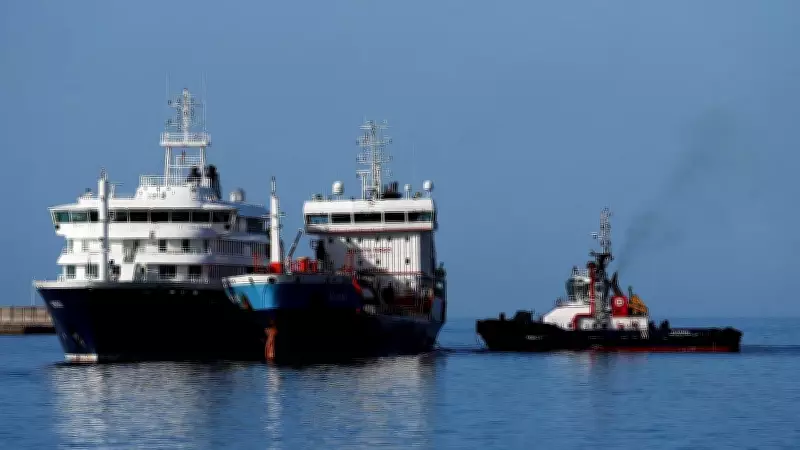
Why Cruise Ships Are Hotspots for Disease Outbreaks
Cruise ships have long been associated with outbreaks of infectious diseases, including hantavirus, Covid-19, norovirus, and legionnaires' disease. The question is: Why are these floating resorts so prone to such health crises?
Close Quarters and Shared Spaces
The primary factor is the close proximity of passengers and crew. Cruise ships pack thousands of individuals into a relatively confined area, with shared dining halls, entertainment venues, and recreational facilities. This density facilitates the rapid spread of airborne and contact-borne pathogens.
Ventilation Challenges
Ventilation plays a crucial role in disease transmission. While cruise ships are not entirely sealed environments, they rely heavily on indoor spaces where people spend extended periods together. Recirculated air can carry viruses and bacteria from one cabin to another, increasing infection risks.

High-Touch Surfaces
Frequent contact with surfaces like handrails, elevator buttons, and buffet utensils creates opportunities for pathogens like norovirus to spread. Despite rigorous cleaning protocols, the sheer volume of use makes it challenging to maintain sterility.
Global Itineraries and Diverse Passenger Mix
Cruise ships visit multiple ports, often in different countries, exposing passengers to varied disease environments. Additionally, travelers come from regions with different health statuses, increasing the chance of introducing novel pathogens.
Previous Outbreaks
Notable incidents include norovirus outbreaks affecting hundreds of passengers, Covid-19 clusters on ships like the Diamond Princess, and reports of legionnaires' disease from contaminated water systems. These events highlight the ongoing vulnerability of the cruise industry.
Mitigation Measures
In response, cruise lines have enhanced health screening, improved air filtration systems, increased sanitation frequency, and implemented isolation protocols. However, the inherent design of cruise ships means that disease outbreaks remain a persistent challenge.
Understanding these factors is essential for travelers and health authorities to minimize risks and ensure safer voyages in the future.