From Sci-Fi to Reality: The Dream of a Real Jurassic Park
Nearly three decades ago, the concept of scientists resurrecting dinosaurs captivated global audiences with the release of the 1993 blockbuster film Jurassic Park. In the movie, researchers extract prehistoric DNA from mosquitoes preserved in amber, genetically engineer dinosaurs, and display them in a theme park. However, the story takes a dark turn when the creatures escape, leading to chaos and destruction.
Elon Musk's Support for the Ambitious Project
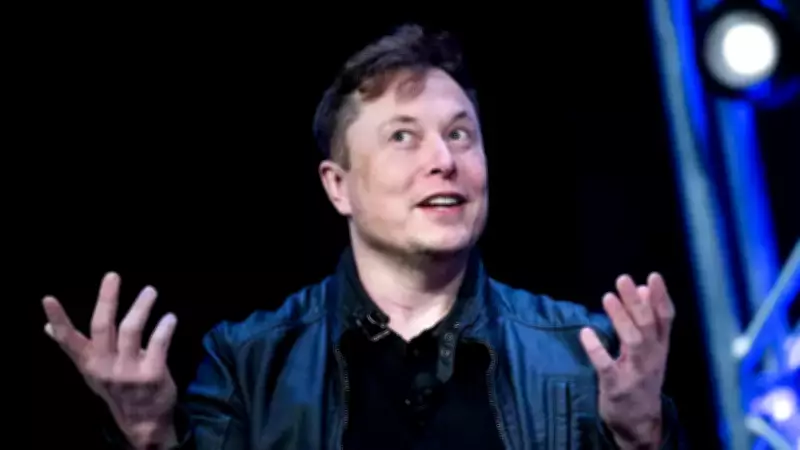
While the film serves as a cautionary tale about tampering with nature, billionaire entrepreneur Elon Musk appears undeterred by the fictional warnings. The discussion was sparked on the social media platform X (formerly Twitter) when tech entrepreneur Nikita Bier suggested that a real-life Jurassic Park project might now be "fundable" given current technological advancements. Musk responded succinctly with a six-word reply: "I hope someone makes this work."
Technological Possibilities and Scientific Limitations
The film series experienced a reboot in 2015, placing greater emphasis on technological innovation. In 2021, Max Hodak, a co-founder of Musk's brain-chip company Neuralink, proposed that humanity likely possesses the capability to construct a version of the park. Hodak clarified that these would not be genetically authentic dinosaurs but rather "exotic new species" developed through genetic engineering and selective breeding over approximately 15 years.

He further argued for the intentional creation of novel biological diversity, stating, "Biodiversity is definitely valuable; conservation is important and makes sense. But why do we stop there? Why don't we more intentionally try to generate novel diversity?"
Why Scientists Say It's Not Feasible
Despite enthusiasm from the tech community, the scientific consensus remains skeptical. Experts point to the fundamental issue of DNA degradation over time. While successful cloning achievements include the famous sheep Dolly in 1996 and, more recently, three Dire wolf pups using CRISPR gene-editing technology, dinosaurs present a unique challenge.
Scientists explain that DNA has a limited "shelf life" and completely degrades long before fossils form. Given that dinosaurs have been extinct for roughly 65 million years, finding usable genetic material in soft tissue is currently considered impossible by modern scientific standards. This makes the prospect of a Tyrannosaurus rex roaming the Earth purely speculative.
The debate highlights the ongoing tension between ambitious technological visions and the hard limits of biological science, leaving the dream of a real Jurassic Park firmly in the realm of fiction for now.