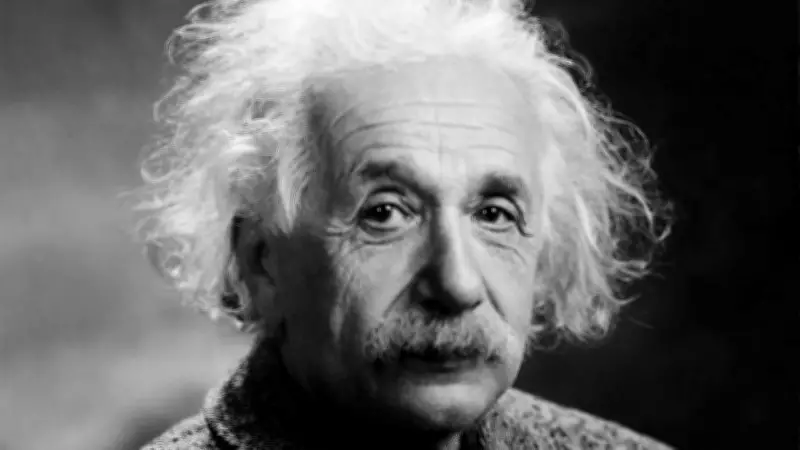
In a world where money, fame, and status often define success, Albert Einstein's timeless words offer a refreshing perspective. His famous quote, "Try not to become a man of success, but rather try to become a man of value," redirects our attention from external rewards to internal qualities. This message emphasizes that character, contribution, and purpose outweigh mere accomplishments. People of all ages still resonate with this wisdom, as society frequently prioritizes success in education, work, and personal life. Einstein reminds us that values like honesty, integrity, and making a difference create a more lasting impact. Understanding this idea helps individuals focus on building a life that is not only successful by conventional standards but also meaningful and respected.
Understanding the Deeper Meaning Behind Einstein's Quote
The quote highlights that value and success are not synonymous. Success is often associated with tangible outcomes such as wealth, promotions, or public recognition. Value, on the other hand, refers to the positive contributions a person makes and the qualities of their character. Einstein does not dismiss success entirely; rather, he argues that it should not be the primary goal. When someone strives to become valuable through learning, helping others, and ethical behavior, success often follows naturally. This cause-and-effect relationship shows that value-driven actions build trust, respect, and credibility, leading to sustainable success rather than fleeting achievements.
Success vs. Value: What Sets Them Apart
To fully grasp the quote, it is essential to distinguish between success and value in practical terms. Success is typically outcome-based and measurable, such as landing a high-paying job, gaining popularity, or reaching a leadership position. Value, however, is process-based and manifests in one's actions, principles, and contributions to others. It encompasses honesty, responsibility, empathy, and dedication. While success can be short-lived or dependent on external factors, value tends to have a lasting effect. People known for their values often earn long-term respect and trust, regardless of their job title or status.

How This Quote Applies in Education and Learning
In academic settings, students are often encouraged to achieve high grades and rankings. Einstein's quote suggests that learning should go beyond grades, though they remain important. To become a person of value in education, one must cultivate critical thinking, curiosity, and academic honesty. It involves truly understanding concepts rather than memorizing facts for exams. Students who prioritize value tend to acquire real-world skills such as communication, problem-solving, and adaptability. These traits serve them well in their careers and personal lives.
Relevance in Professional Life and Careers
In the workplace, success is commonly measured by promotions, raises, or recognition. However, organizations also highly value employees who enhance their work environment. A valuable professional is honest, reliable, and skilled, contributing to team growth, navigating challenges, and maintaining positive relationships. Einstein's idea suggests that focusing on these traits can lead to long-term career advancement. Colleagues and employers are more likely to trust individuals who consistently demonstrate value, paving the way for leadership roles and sustained success.
The Role of Values in Personal Life
This wisdom extends beyond academics and work into everyday life and relationships. Being a person of value requires honesty, empathy, and respect for others. Strong personal values foster deeper connections with people. Individuals who are genuine and dependable are more likely to build trust and lasting bonds. This reinforces the idea that value is not only about professional achievements but also about how one behaves and treats others daily.

Why Has the Interpretation of This Quote Evolved Over Time
When Einstein first shared this idea, the world was undergoing significant scientific and social changes. Today, with the rise of social media and digital platforms, success is more visible than ever. Yet the core message of the quote remains relevant and has even grown in importance. In an era of intense competition and pressure for quick results, value-driven thinking provides a solid foundation. Current discussions on mental health, work-life balance, and ethical behavior also support this perspective. Many experts now emphasize purposeful work and meaningful contributions over purely outcome-based success.
How Value-Driven Thinking Shapes Long-Term Impact
A key aspect of Einstein's quote is its focus on the future. Success built without strong ethical foundations may not endure, but value-based actions tend to have lasting effects. For example, leaders who prioritize fairness and ethical decision-making are more likely to build resilient organizations. Individuals who contribute positively to society often leave a lasting legacy. This approach encourages responsibility and perseverance, prompting people to engage in activities that benefit both themselves and their communities.
Why This Message Continues to Resonate Globally
This quote endures because of its universal applicability. It speaks to people of all ages, cultures, and professions. In a competitive environment, many seek shortcuts to get ahead. However, Einstein's message advocates for a more thoughtful and ethical approach. It reminds us that true success is not just about achieving goals but also about the journey and the values upheld along the way.
A Perspective That Goes Beyond Achievements
Albert Einstein's quote offers a clear and practical insight that shifts focus from external success to internal value. It underscores the importance of moral character, integrity, and meaningful contributions. By understanding and applying this idea, individuals can pursue growth that is both significant and sustainable. Success may still come, but it will be a byproduct of value-driven actions rather than an end in itself. Ultimately, the quote encourages people to reflect on who they are becoming, not just what they accomplish.
About the Author: TOI Science Desk
The TOI Science Desk is a curious team of journalists dedicated to exploring the realms of discovery and curating a captivating collection of science news, features, and articles for readers of The Times of India. They aim to be your scientific companion, delivering daily wonder and enlightenment. Whether covering genetic engineering, space exploration, or artificial intelligence, the TOI Science Desk ensures you stay connected to the pulse of the scientific world. They are storytellers of scientific narratives, committed to demystifying science and making it accessible to all backgrounds. Join them as they craft knowledge with precision and passion, taking you on a journey where the mysteries of the universe unfold with every word.