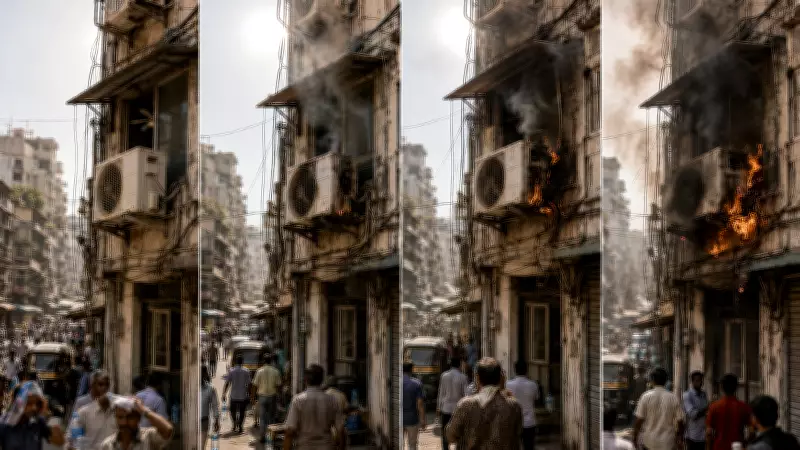
A deadly fire at a south Delhi bed-and-breakfast has once again highlighted a recurring summer hazard: air-conditioner-related fires. The blaze at Flourish Stay Bed & Breakfast in Hauz Rani, Malviya Nagar on June 3 claimed 21 lives. Investigators are exploring multiple potential causes, including a commercial LPG cylinder in the basement kitchen and a possible faulty air conditioner in the ground-floor restaurant.
Rising Temperatures and AC Usage
While it is too early to definitively blame the AC for the Delhi fire, the incident has sparked a broader debate. As Indian cities experience more intense heatwaves, air conditioners are running for extended periods. This raises critical questions about whether residential homes, hotels, hospitals, and small commercial buildings are adequately equipped to handle the increased cooling load safely.
Common Causes of AC Fires
Experts point to several factors that can lead to AC fires:

- Electrical faults: Overloaded circuits, faulty wiring, or improper installation can cause short circuits.
- Overheating: Continuous operation without maintenance can lead to compressor or motor overheating.
- Refrigerant leaks: Leaks can create flammable conditions if exposed to sparks.
- Age and wear: Older units are more prone to failures.
Safety Recommendations
To mitigate risks, safety experts recommend regular maintenance, proper installation by certified technicians, and avoiding overloading electrical circuits. Additionally, installing smoke detectors and fire extinguishers near AC units can provide early warnings.
The Delhi fire serves as a stark reminder of the need for stricter fire safety regulations and public awareness, especially as climate change intensifies heat conditions across India.