Dead Satellites Clutter Earth's Orbit: A Growing Threat
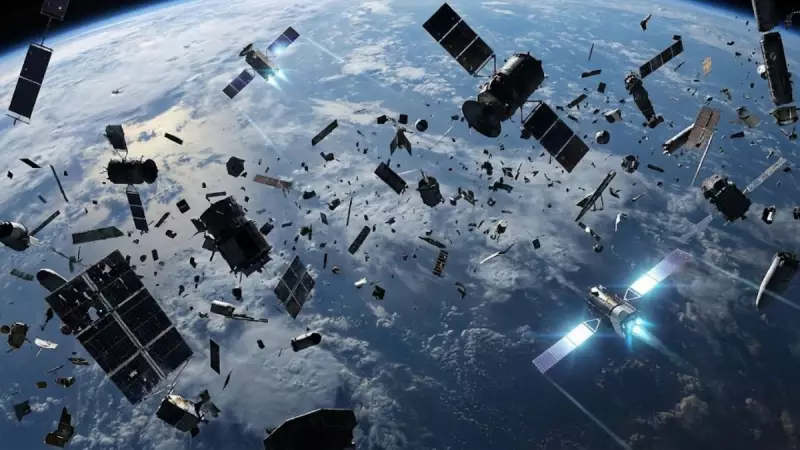
Thousands of dead satellites now orbit our planet. They pose a significant and growing risk to active spacecraft and future missions. This space debris, including old satellites and rocket parts, creates a hazardous environment in Earth's orbit.
The Rising Danger of Orbital Collisions
Experts warn about the increasing probability of collisions. These events can generate even more debris, triggering a dangerous chain reaction. This scenario, known as the Kessler Syndrome, could make certain orbital regions unusable for decades.
Active satellites face constant threats from this floating junk. Even small pieces of debris travel at extremely high speeds. They can cause catastrophic damage upon impact.

Global Efforts to Clean Up Space
The international community recognizes the urgency of this problem. Multiple space agencies and private companies are now collaborating on solutions. Their goal is ambitious: to significantly reduce orbital debris by 2030.
Several cleanup technologies are currently under development. These include:
- Robotic arms designed to capture defunct satellites
- Harpoons and nets to ensnare larger debris pieces
- Drag sails that accelerate the natural decay of orbits
- Laser systems to nudge debris into safer trajectories
The Path Forward: Challenges and Solutions
Cleaning Earth's orbit presents numerous technical and financial challenges. The sheer volume of debris makes removal operations complex and expensive. International cooperation remains essential for success.
New regulations are emerging to prevent future debris accumulation. Satellite operators must now demonstrate plans for responsible disposal. Many modern satellites include built-in deorbiting capabilities.
The 2030 target represents a critical milestone for space sustainability. While complete cleanup may take longer, significant progress is expected within this decade. A cleaner orbital environment will benefit all spacefaring nations and ensure continued access to space for future generations.