Crypto Bro's Meteoric Rise in Pakistan's Tech Landscape
In January, at an ornate building in Islamabad, Pakistan's most powerful leaders gathered to welcome a special visitor: Zachary Witkoff, CEO of World Liberty Financial, the cryptocurrency platform co-founded by former US President Donald Trump. The prestigious guest list, including Prime Minister Shehbaz Sharif and Field Marshal Asim Munir, made the event resemble a state visit rather than a ceremony for a non-binding stablecoin agreement that is exploratory in nature and involves no major financial commitment.
From Obscurity to Influence: The Story of Bilal Saqib
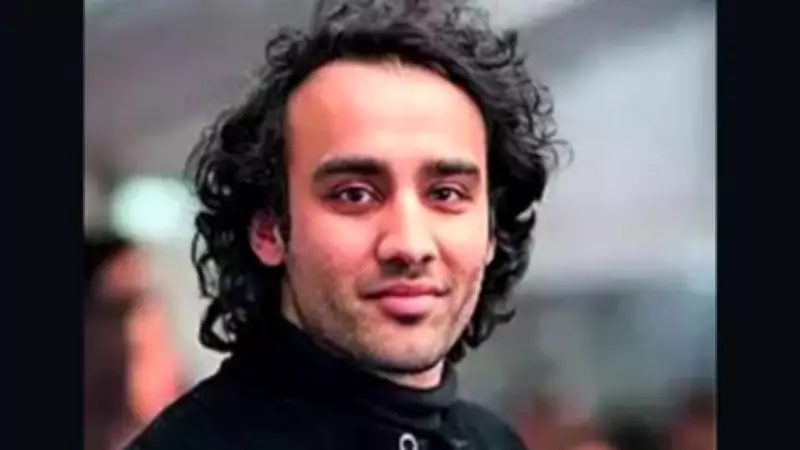
Standing beside Munir was Bilal Bin Saqib, a 35-year-old self-described "crypto bro" who has become a pivotal figure in transforming US-Pakistan relations over the past year. Saqib, who says he worked three jobs including cleaning toilets to get through college, hailed the visit by Witkoff and other executives as helping to "put Pakistan on the map." Plucked from relative obscurity, Saqib has suddenly emerged as one of Pakistan's most influential figures, forging partnerships with crypto luminaries like Changpeng Zhao (CZ), the billionaire founder of Binance Holdings Ltd., the world's largest cryptocurrency exchange.
He has also connected with high-profile individuals such as fund manager Cathie Wood, Bitcoin billionaire Michael Saylor, and Nayib Bukele, El Salvador's president who made Bitcoin legal tender in 2021 and established a Strategic Bitcoin Reserve Fund. Last month, Saqib posted a selfie with Zachary Witkoff and other executives at Trump's Mar-a-Lago club in Florida, coinciding with Pakistan's deal with the US to revamp the Roosevelt Hotel in Manhattan.

Building Trust and Opening Doors Through Cryptocurrency
"Because of crypto, doors have opened," Saqib said in a recent interview. "New conversations have opened, trust has been built. We have an opportunity to rebrand." His rapid ascent to influence remains somewhat mysterious. Originally from Lahore, Saqib's interest in crypto began during Bitcoin's historic bull run in 2017, when it surged from below $1,000 in January to $14,000 by year-end.
After starting work with Pakistan's government in March 2025, Saqib quickly made his mark. In April, he persuaded Binance's Zhao to sign on as a strategic adviser to the Pakistan Crypto Council. Trump pardoned Zhao in October, and three weeks later, Saqib hosted World Liberty Financial's executives in Islamabad, where the company signed a "letter of intent" with Pakistan's government to deepen cooperation on stablecoin adoption.
Economic Implications and Future Challenges
Trump's family business stands to benefit from access to Pakistan's virtual asset market, which boasts 40 million crypto users with an estimated trading volume exceeding $300 billion, according to the finance ministry. This represents one of the world's highest adoption rates, as residents seek investment alternatives in an economy plagued by chronic inflation.
However, geopolitical risks loom. Trump has shown he can quickly turn on any leader, and he might demand that Pakistan, which signed a defense agreement with Saudi Arabia last year, join efforts against Iran—a scenario that could put Field Marshal Munir in a difficult position. For Saqib, the focus remains on building tech skills among Pakistan's younger generations to develop the economy and reduce reliance on IMF bailouts every few years.
This story highlights how cryptocurrency is reshaping diplomatic and economic ties, with individuals like Saqib playing crucial roles in bridging global tech innovations with national development goals.