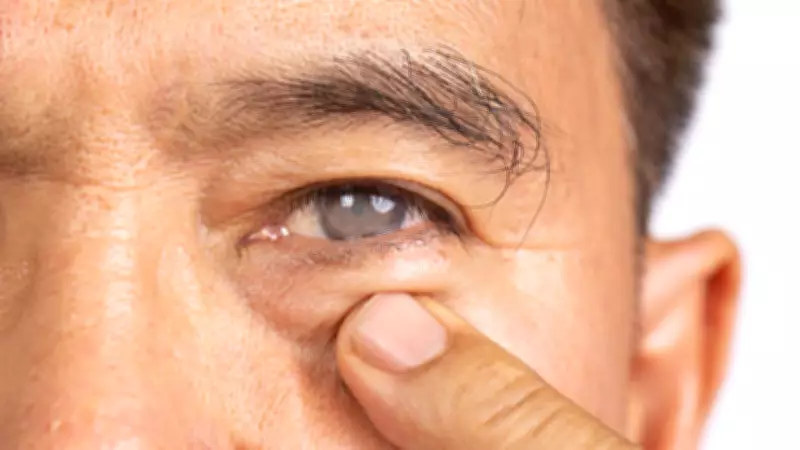
Most people think of cataracts as a vision problem. However, those living with untreated cataracts often describe initial changes that go beyond blurry sight. Researchers have found that poor visual acuity affects not only vision directly but also other aspects of lifestyle. What appears as a slow retreat from social life can mark the beginning of a more serious chain of consequences. TOI Health spoke with Dr. Sandhya E S, consultant ophthalmologist at Dr Agarwal Eye Hospital, Kanakapura, Bangalore, about the early signs of cataracts and the changes patients notice long before they recognize a vision decline.
Early Changes Patients Often Overlook
Age-related cataracts typically progress slowly, and patients may not realize their vision is compromised, especially if only one eye is affected. Many are surprised to learn that early cataract symptoms do not always feel like blurred vision. Instead, they may notice:
- Needing brighter light to read, especially in the evening.
- Increasing difficulty driving at night due to glare from headlights.
- Colors appearing less vibrant or slightly yellowed.
- Frequent changes in spectacle prescription with limited improvement.
- Feeling that their glasses are constantly dirty, even after cleaning.
- Increased sensitivity to sunlight or bright indoor lighting.
- Difficulty recognizing faces from a distance.
- Eye strain, headaches, or fatigue during visual tasks.
Because these changes develop slowly, patients often attribute them to aging, stress, tiredness, poor lighting, or needing new spectacles, rarely suspecting a cataract.

Why Cataracts Are Easy to Overlook
Dr. Sandhya explains that a cataract forms when the eye's crystalline lens, normally clear, gradually becomes cloudy. Aging is the most common cause, though diabetes, eye injury, long-term steroid use, and family history can accelerate the process. The gradual progression over months or years makes cataracts easy to miss. The brain adapts by filling in gaps, adjusting to small vision drops without raising alarm. There is no sudden change; vision slips away in small steps, causing people to shift habits unconsciously—pulling chairs closer to the TV, increasing text size on phones, skipping evening drives, or using brighter lamps. These workarounds build up so gradually that most people do not realize how much their vision has declined until after treatment.
Impact on Confidence and Independence
Long before visual acuity tests show significant decline, cataracts can affect daily life. Common impacts include reduced confidence when driving at night or in rain, hesitation navigating stairs or uneven surfaces, difficulty with hobbies like sewing or cooking, growing dependence on family for transportation, and social withdrawal due to trouble recognizing faces. These challenges affect emotional health and independence even if acuity tests remain relatively good.
Misconceptions and Warning Signs
A major misconception is that cataract surgery should be delayed until the cataract is fully mature. This can limit advanced surgical techniques and premium lens implants. Other myths include that cataracts are a growth on the eye's surface, that eye drops can dissolve them, and that they only affect the very elderly. Warning signs warranting an eye exam include increasing glare from headlights or sunlight, blurred vision not improving with new glasses, frequent prescription changes, difficulty reading despite adequate lighting, faded color perception, double vision in one eye, and reduced contrast sensitivity. These symptoms should not be dismissed as normal aging or fatigue, especially if they interfere with daily activities.
Common Reactions After Diagnosis
Many patients adapt to cataract symptoms for six to eight months, assuming they are normal aging changes. After treatment, they often express surprise at how bright and colorful the world appears—whites look whiter, colors more vivid, and details sharper. This highlights the brain's compensation for gradual visual decline and underscores the importance of regular eye examinations, even when people feel they are 'seeing well enough.'
This article includes expert inputs from Dr. Sandhya E S, consultant ophthalmologist, Dr Agarwal Eye Hospital, Kanakapura, Bangalore, shared with TOI Health.