Artemis II Lunar Mission Ignites Wave of Conspiracy Theories and AI-Generated Misinformation
While the astronauts from the Artemis II mission have safely returned after their historic lunar fly-by, conspiracy theorists have wasted no time in launching a fresh barrage of unfounded claims. Hashtags such as "fake space" and "fake NASA" have rapidly gained traction across social media platforms, fueled by the mission's achievement of sending a four-member crew farther from Earth than any humans before.
Viral Claims and AI Manipulation in the Digital Age
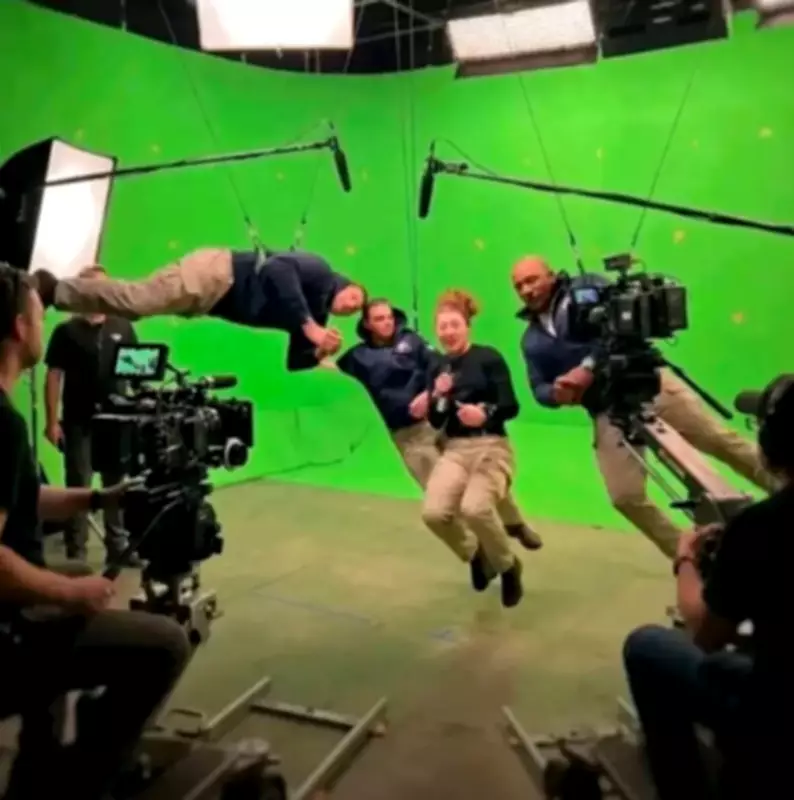
Among the most viral assertions was an image that garnered over a million views on X, allegedly depicting the astronauts floating before a green screen and facing film cameras, insinuating that the entire Artemis II mission was staged. However, digital analysts have identified clear hallmarks of AI manipulation in the image, debunking it as a fabrication. Additionally, some users circulated a video showing text appearing through the mission's official mascot, touting it as evidence of a staged flight. Experts clarified that this anomaly resulted from a failed text overlay by a news broadcaster that had syndicated the official feed, not from any deception by NASA.
Revival of Apollo 11 Conspiracy Theories
This wave of misinformation has also breathed new life into one of the most enduring conspiracy theories: the claim that NASA faked the Apollo 11 moon landing, broadcasting visuals shot in a Hollywood studio. This narrative has permeated popular culture, notably featuring in films like 2024's Fly Me to the Moon, where actor Scarlett Johansson portrays a character tasked with staging a fake lunar landing as a contingency plan. Apollo 11, launched in July 1969, was the first mission to land humans on the Moon, crewed by Neil Armstrong, Michael Collins, and Edwin Aldrin, with Armstrong becoming the first person to walk on the lunar surface.

Why Space Missions Are Prime Targets for Misinformation
According to disinformation researcher Mike Rothschild, scientific achievements like space missions present "very easy content for conspiracy influencers." He explains, "There are some people whose reflexive reaction to any kind of major event is to claim it's fake and staged, no matter what it is. They pass themselves off as experts in science and physics because it's somehow more believable to their followers than just going with 'the official story.'" This phenomenon highlights the challenges in combating misinformation in an era where digital tools can easily distort reality.
Unfounded claims, such as the mission detecting a mysterious moving object on the Moon's surface or allegations that the entire endeavor was a "hoax generated using artificial intelligence tools," have collectively amassed millions of views across various platforms. These incidents underscore the ongoing battle against misinformation in the digital age, where sensationalism often overshadows scientific truth.