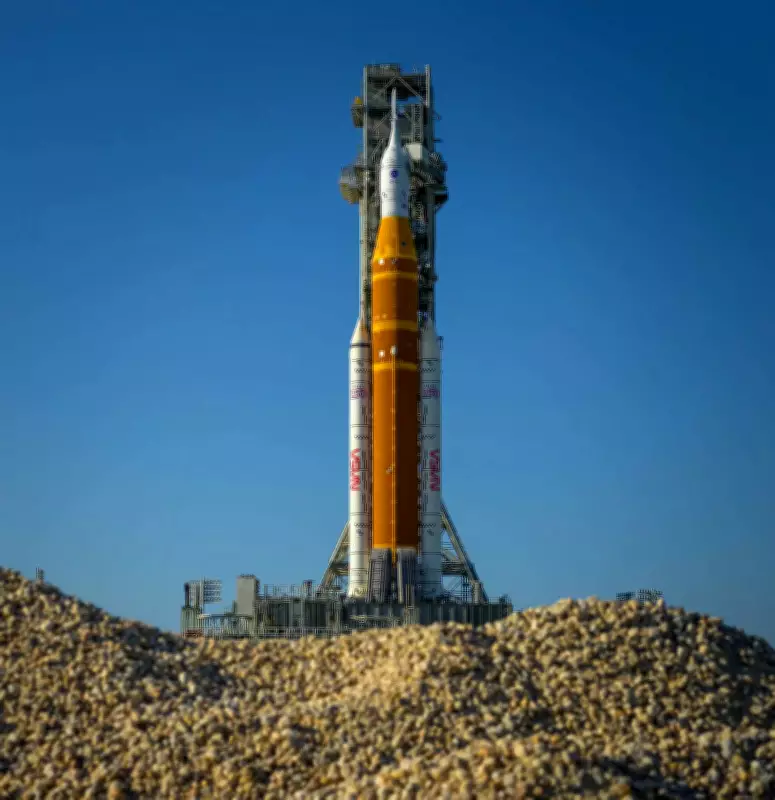
NASA's Artemis II Mission Redefines Space Dining with 189-Item Gourmet Menu
When imagining food in space, many people think of bland tubes and unappetizing paste. However, NASA's Artemis II mission is completely transforming this perception. With a meticulously curated selection of 189 food and drink products, astronauts embarking on the 10-day journey around the moon are set to enjoy a culinary experience like never before. This innovative approach highlights the intersection of science and comfort in space exploration.
Diverse Artemis II Food Menu with 189 Items
The space agency has revealed that the Artemis II mission will feature an impressive assortment of 189 different menu items. This includes over 10 beverages and five distinct hot sauces, marking a significant upgrade from previous space missions. The menu is designed to provide variety and prevent menu fatigue during the extended voyage.
Some of the standout items on the menu include:

- Barbecued beef brisket
- Mango salad
- Macaroni and cheese
- Spicy green beans
- Nuts, granola, and tortillas
- Maple cream cookies
NASA emphasizes that food selection is based on critical factors such as nutrition, shelf life, and astronaut preferences, as well as the spacecraft's capabilities. Notably, tortillas are chosen over bread because they produce fewer crumbs in microgravity, which is essential for maintaining a clean and safe environment in the spacecraft.
Why Hot Sauces and Beverages Matter in Space
One of the most talked-about aspects of the Artemis II menu is the inclusion of five different hot sauces. This choice is not merely about flavor; it is rooted in science. In microgravity, astronauts often experience a decreased sense of taste due to fluid shifts in the body. Spicy foods help counteract this effect, making meals more enjoyable.
The beverage selection is equally remarkable, featuring:
- Coffee, considered a daily necessity
- Green tea
- Lemonade
- Apple cider
- Cocoa
These drinks provide both hydration and comfort, contributing to the overall well-being of the crew.
How Space Food Is Prepared and Consumed
Eating in space is a complex process, far removed from simply opening a lunchbox. The spacecraft lacks a refrigeration system, so all food must be shelf-stable and capable of lasting for extended periods. Here is how astronauts manage their meals:
- Food is freeze-dried or thermostabilized for preservation.
- Water is added to meals using a specialized water dispenser.
- A briefcase-style warmer is employed to heat the food.
- Packaging is meticulously designed to prevent crumbs from floating away in microgravity.
According to NASA, the food must be easy to prepare and consume in microgravity, and also provide good nutrition. This ensures that astronauts can maintain their health and energy levels throughout the mission.
A Human Touch: Comfort, Culture, and Choice
Unlike earlier space missions, the Artemis II crew had the opportunity to select their meals in advance, adding a personal and cultural dimension to their dining experience. This approach includes:
- Cultural items such as Canadian maple cookies.
- Comfort foods like cookies and spreads.
- Flavors specifically chosen to boost morale and emotional well-being.
Space agencies have learned that food serves not only as a source of energy but also as emotional support. A satisfying meal can significantly uplift an astronaut's mood, which is crucial during long-duration missions.
What This Means for the Future of Space Dining
The Artemis II menu symbolizes a growing trend in space exploration, where food is about more than just survival. It emphasizes sustainability, performance, and quality of life. With Mars missions on the horizon, NASA is actively working to develop space food that is:
- Nutritious and durable for long journeys.
- Convenient to prepare in the challenging space environment.
- Enjoyable to eat, thereby enhancing astronaut morale.
In essence, the Artemis II menu demonstrates that, even millions of kilometers from Earth, a good meal remains a vital part of the human experience, bridging the gap between science and daily life.