

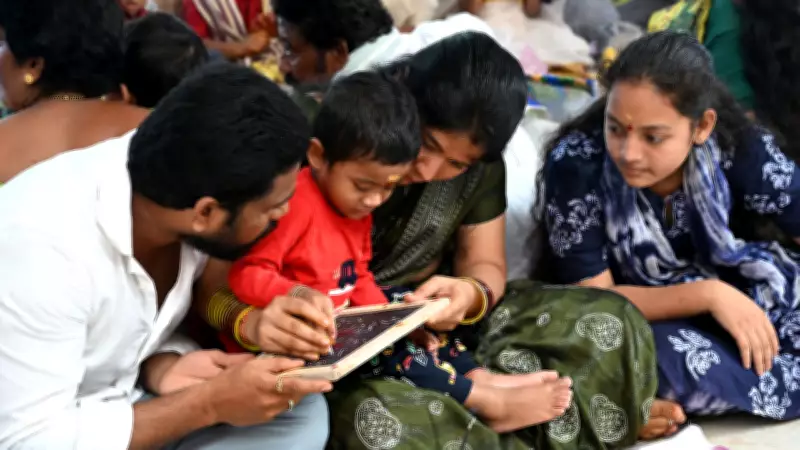
Andhra Pradesh Chief Minister N Chandrababu Naidu surprised many on May 16 by announcing cash incentives for families with more children. “I have made a new decision. We will provide Rs 30,000 immediately after the birth of a third child and Rs 40,000 for a fourth child. Isn’t this the right decision?” he said. This marked a major U-turn from his earlier advocacy of family planning.
Why the Shift in Policy?
Andhra Pradesh’s Total Fertility Rate (TFR) is estimated at around 1.5, well below the national replacement level of 2.1. The government fears an ageing population, labour shortages, and rising pension and healthcare burdens. Additionally, southern states worry that after the next parliamentary delimitation, slower population growth could reduce their political representation compared to high-growth northern states.
Global Precedents and Their Results
Countries like Japan, South Korea, Singapore, and China have implemented similar pro-birth policies with tax breaks, bonuses, and subsidies. However, results have been disappointing. South Korea spent billions but still has one of the world’s lowest fertility rates due to high living costs and gender inequality. Hungary saw a modest rise but remains below replacement level. Experts argue that cash rewards alone rarely reverse demographic decline; long-term support like affordable childcare, healthcare, and housing matters more.

Criticism and Concerns
Critics argue that the policy treats childbirth as a numbers game while ignoring unemployment, soaring education costs, inaccessible healthcare, and women’s safety. Sohan Hatangadi, president of Greater Visakhapatnam Citizens’ Forum, said, “Are we able to provide enough quality healthcare, education and jobs even for the existing population? The focus should be on healthy, educated, and skilled children.”
Dr Bollineni Keerthi, President of Vasavya Mahila Mandali, warned that a one-time payment of Rs 30,000 or Rs 40,000 barely covers infant care or school admission fees. She also noted that the policy could reinforce son preference in some communities, where sons are viewed as carriers of the family lineage.
Women at the Center of the Debate
Women’s groups argue that birth incentives ignore the disproportionate burden of pregnancy, childbirth, and childcare on women. In rural Andhra, larger families remain common, often driven by the desire for a male child. Among educated urban families, the trend is towards one or two children due to high costs and lack of support systems. Dr Bollineni highlighted the pressure on women to produce male heirs, known as “Vamsodharakudu,” which reduces them to reproductive instruments.
What Could Work Better?
Instead of cash incentives, experts suggest structural support: mandatory childcare facilities, tax benefits, paid maternity and paternity leave, flexible work arrangements, and expanded maternal healthcare. Dr Bollineni stressed that population policy should focus on quality-of-life indicators like nutrition, health, education, and income security. “A developed society is not measured by the number of children born but how well these children are able to live,” she said.
Andhra Pradesh risks borrowing rhetoric from countries with demographic decline without having the welfare infrastructure to support larger families. Declining fertility can be a sign of progress, reflecting women’s greater access to education and reproductive choices.






