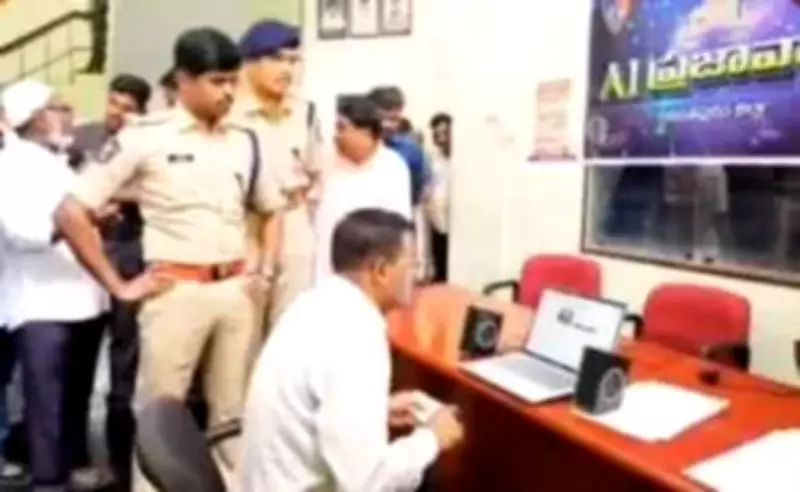
In a significant push for tech-driven governance, the Anantapur police have launched an innovative artificial intelligence-powered voice complaint system named 'AI Prajavani.' This system is designed to simplify the process of filing public grievances, making it more accessible and efficient for all citizens.
Inauguration of the System
The system was officially inaugurated by Superintendent of Police (SP) P Jagadeesh, along with trainee IPS officer Ashwin Manideep, at the district police office on Wednesday. The launch marks a milestone in leveraging technology to bridge the gap between the police force and the community they serve.
How AI Prajavani Works
The platform allows visitors to verbally register their complaints. Using advanced speech-to-text technology, the spoken words are instantly converted into written petitions. Once the complaint is transcribed, the complainant receives a physical printout of the petition for their records. Simultaneously, a digital copy of the complaint is sent directly to the SP's office for review and necessary action.

This streamlined process eliminates the need for manual paperwork and reduces the time taken to file a grievance. Officials have highlighted that the system is particularly beneficial for illiterate and semi-literate citizens, who often face challenges in drafting written complaints. By removing the dependency on third-party petition writers, the system ensures that grievances are recorded accurately and without unnecessary delays.
Current Implementation and Future Plans
Currently, the AI Prajavani system is being utilized during the weekly PGRS (Public Grievance Redressal System) grievance meetings, which are held every Monday. The police department has ambitious plans to expand the system to all police stations across the district in the near future, thereby ensuring that every citizen can benefit from this technological advancement.
Development and Recognition
The software powering AI Prajavani was developed by a local startup named INCUXAI, led by a team of innovators including K Yashwanth, Dileep Kumar, Shashi Kumar, and Ashish. Their effort has been commended by the district police leadership.
SP P Jagadeesh expressed optimism about the initiative, stating that it could serve as a model for AI-based governance not only in the district but also for other regions to emulate. The successful implementation of this system underscores the potential of artificial intelligence in enhancing public service delivery and administrative efficiency.