In a surprising private overture, OpenAI CEO Sam Altman met with Senator Bernie Sanders to discuss the public taking an ownership stake in artificial intelligence companies. The meeting came just after Sanders announced a plan for the public to hold 50% equity in AI firms like OpenAI, using the stock to create a public wealth fund. Altman told Sanders he supports the general idea but cannot back the 50% threshold, according to sources familiar with the conversation.
Bipartisan Interest in AI Equity
The nearly hour-long meeting, held at Altman's request, highlighted the tension between AI powerhouses and policymakers as Americans grapple with AI's costs and benefits. It also created unusual political alliances, with figures from Senator Sanders to President Donald Trump embracing the concept of public stakes in AI growth. Speaking on Air Force One, Trump noted a potential partnership where Americans benefit from AI success, adding that AI executives will visit the White House to discuss the idea. Trump pointed out similarities between his voters and Sanders' supporters, saying their economic views are not far apart.
Government Investment in Private Companies
Trump's second term has seen increased government investment in private firms, such as a 10% stake in Intel and a proposed takeover of Spirit Airlines. This shift scrambles traditional party politics and reflects a growing populist sentiment.

Public Backlash Against AI Expansion
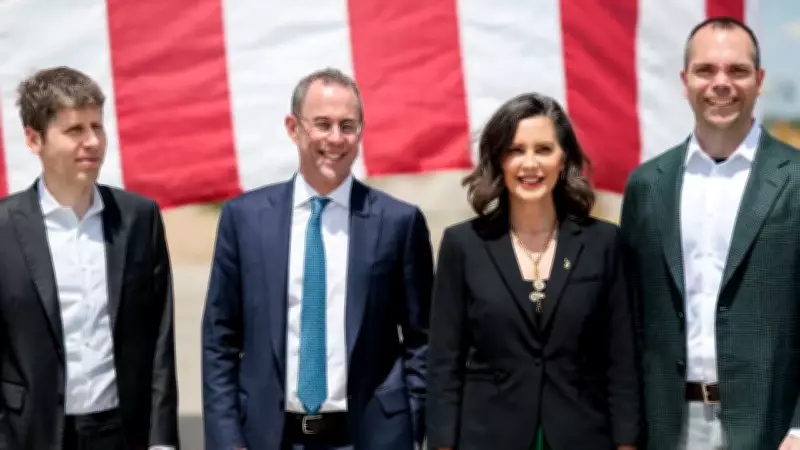
Concerns about AI are emerging beyond Washington. In Michigan, Democrats clashed over Governor Gretchen Whitmer's appearance with Altman at a massive data center site. Candidates like Alex Bores have made AI regulation a campaign issue, tapping into voter anxiety. Altman acknowledged the anxiety, saying people can both use AI and fear its future impact. Data center projects face opposition over electricity, water, and environmental concerns. States like Ohio and Virginia are reconsidering tax incentives. Missouri Senator Josh Hawley called for legislation requiring data centers to pay for their own utilities.
Grassroots Opposition and Job Fears
Altman also visited Michigan with Whitmer, highlighting a 1.65 million-square-foot data center project expected to create 2,500 union jobs. However, Representative Rashida Tlaib called the project 'disgusting,' and Senator Elissa Slotkin noted grassroots pushback. Whitmer defended the project, saying technology consumption requires data centers. On college campuses, commencement speakers faced boos over AI discussions, and 70% of students see AI as a job threat, per a Harvard poll. Altman acknowledged that while job impacts have been less than expected, student anxiety is real.
Search for an AI Bargain
Leaders across the political spectrum increasingly see AI expansion as inevitable, though they disagree on management. Altman's Washington meetings included White House science adviser Michael Kratsios and congressional leaders. Sanders' team emphasized no agreement was reached on the 50% figure or limits on AI industry election spending. Altman called the meeting 'great' but noted disagreements. Congress released a bipartisan framework for federal AI regulation, temporarily preempting state laws. Anthropic proposed mechanisms for pausing advanced AI development. The Trump administration signed an executive order to review national security risks before public release of advanced AI systems. Sanders found the move notable, saying even those who warned against regulation now see legitimate concerns.