AIIMS Launches AI-Powered Smart Glasses for Visually Impaired in New Delhi
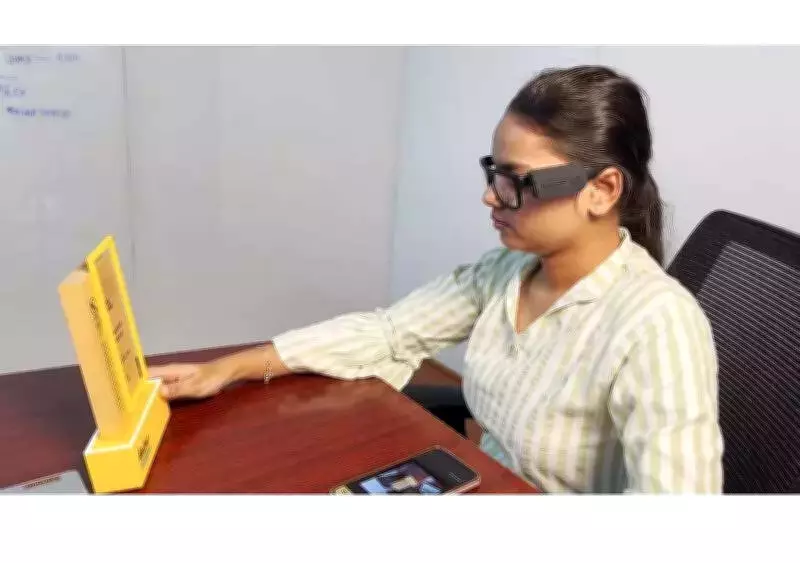
In a significant step toward disability inclusion through technology, the All India Institute of Medical Sciences (AIIMS) in New Delhi distributed artificial intelligence-enabled smart vision glasses to 53 individuals who are blind or severely visually impaired on Monday. This initiative aims to empower users by converting visual information into auditory feedback, allowing them to interpret their surroundings through sound.
How the AI Glasses Function and Their Capabilities
The AI-powered glasses utilize advanced technology to provide real-time assistance. They can read printed text aloud, identify objects, recognize faces, detect obstacles, and aid in navigation. By employing object recognition and text-to-speech systems, the device supports users in managing daily tasks independently. This includes activities such as reading medicine labels, identifying currency notes, and locating doorways, thereby reducing reliance on others.
Beneficiaries and Project Details
The beneficiaries comprised 28 children from a School for the Blind in Amar Colony and 25 adults identified at the Dr RP Centre, AIIMS. These individuals included patients from low-vision and rehabilitation clinics who suffer from irreversible blindness. Each device, costing approximately Rs 35,000, was provided free of charge under Project Drishti. This collaborative effort is supported by Rotary, Vision Aid, and other partners, focusing on enhancing accessibility and quality of life.

Research and Future Implications
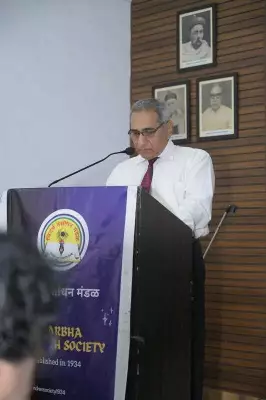
Dr. Praveen Vashist from the department of community ophthalmology at AIIMS emphasized that the initiative is being implemented as a structured research project. "These glasses are not just assistive devices; they are tools of independence," he stated. The team will conduct monthly follow-ups with beneficiaries over a year to assess improvements in their quality of life, with findings documented and published. The study will also examine barriers to usage and gather feedback to refine future models of the glasses.
Context of Visual Impairment in India
India has nearly 10 million people living with blindness or severe visual impairment. While many cases are treatable, a significant number of patients experience irreversible conditions such as advanced glaucoma, diabetic retinopathy, age-related macular degeneration, and optic nerve damage. For these individuals, rehabilitation—rather than surgery—becomes the primary pathway to independence, highlighting the importance of assistive technologies like the AI glasses.
Evolution of the Technology
The glasses, developed by SHG Technologies, are currently in their fifth version. AIIMS had tested earlier models in 2018, which were heavier and used buttons. "The newer models are lighter, sensor-based, and much more advanced in their AI capabilities," Dr. Vashist explained. This progression underscores the rapid advancements in AI-based assistive technology, which complements clinical care by helping people adapt to life after vision loss.
Conclusion
This initiative by AIIMS represents a forward-thinking approach to disability inclusion, leveraging artificial intelligence to provide practical solutions for the visually impaired. By combining technology with research, it aims to foster greater independence and improve the overall well-being of beneficiaries, setting a precedent for future innovations in healthcare and accessibility.