AI Will Employ More Workers, Not Replace Jobs, Says Tata Chairman
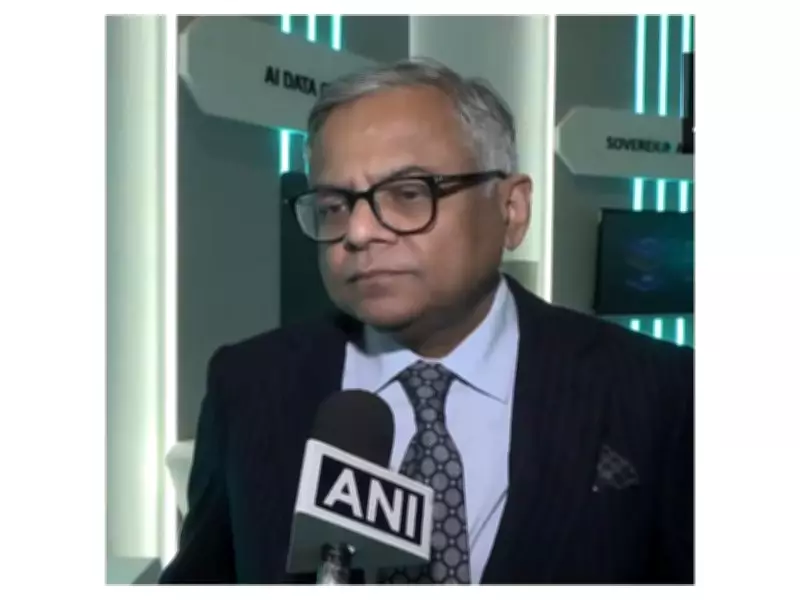
Tata Sons Chairman N. Chandrasekaran has made a significant statement on the impact of artificial intelligence (AI) on employment, asserting that AI will lead to the creation of more jobs rather than replacing existing ones. He emphasized that the workforce is moving towards higher-value roles as AI technologies are integrated into various sectors.
Shift to Higher-Value Roles with AI Integration
Chandrasekaran highlighted that AI is not about job elimination but about transformation. He explained that as AI automates routine and repetitive tasks, employees are freed up to focus on more strategic, creative, and complex responsibilities. This shift is expected to enhance productivity and innovation across industries, from manufacturing to services.
According to Chandrasekaran, the adoption of AI will require workers to upskill and reskill, leading to a more dynamic and adaptable workforce. He noted that companies, including those in the Tata Group, are investing in training programs to help employees transition to these new roles.

Global Context and Economic Implications
This perspective comes at a time when there is widespread concern about AI potentially displacing jobs globally. Chandrasekaran's view aligns with some economic studies suggesting that while AI may disrupt certain job categories, it also creates new opportunities in emerging fields like data science, AI ethics, and machine learning engineering.
He pointed out that historical technological advancements, such as the industrial revolution, initially caused job shifts but ultimately led to economic growth and new employment avenues. Similarly, AI is expected to drive efficiency and open up novel career paths.
Industry Examples and Future Outlook
In sectors like healthcare, AI is being used for diagnostics and personalized treatment plans, allowing medical professionals to concentrate on patient care and research. In finance, AI aids in fraud detection and risk management, enabling analysts to tackle more complex financial strategies.
- AI enhances decision-making processes in businesses.
- It fosters innovation by handling mundane tasks.
- Workforce development becomes crucial for AI adoption.
Chandrasekaran concluded by stressing the importance of collaborative efforts between governments, educational institutions, and corporations to prepare the workforce for an AI-driven future. He believes that with proper planning, AI can be a force for positive change in the job market.